
We have been to the touristy parts of Sri Lanka and to places locals only go for trade or family. We have slept in mud huts, tree houses, five star hotels and shelters woven out of dried coconut leaves. This is what we would tell anyone before they got on the plane.
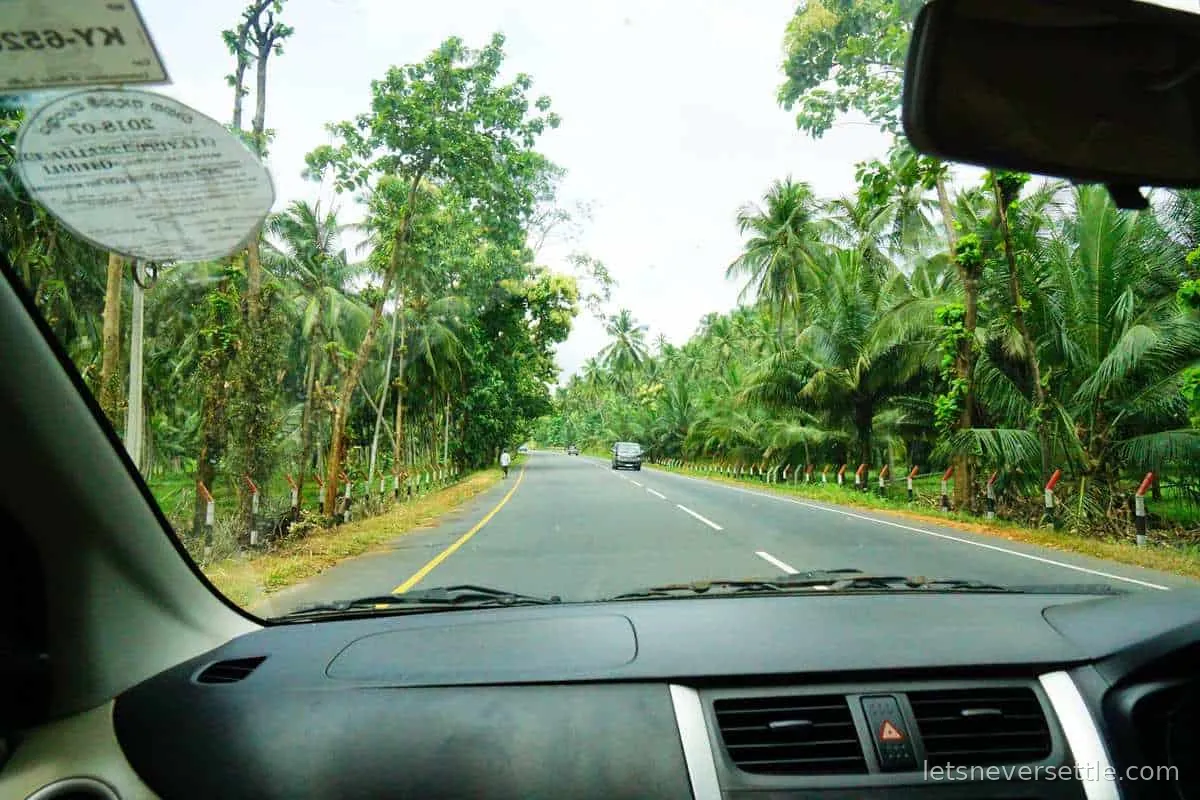
You will not need a phrasebook
English is the second language almost everywhere, including deep in the countryside. People who cannot hold a full conversation will still understand help, water, toilet, taxi, doctor, hospital, thank you.
If you are not understood, slow down and use simpler words. Do not get louder. That works nowhere on earth and it does not work here.
If you are staying for months rather than weeks, ignore all of that and learn Sinhala or Tamil depending on where you will be.
Getting around
Book taxis through an app. PickMe is the local one and Uber operates too. Install both and set up an account before you arrive, because doing it on arrival with no data is miserable. Ordering by app beats flagging one down on the street on price and on hassle.
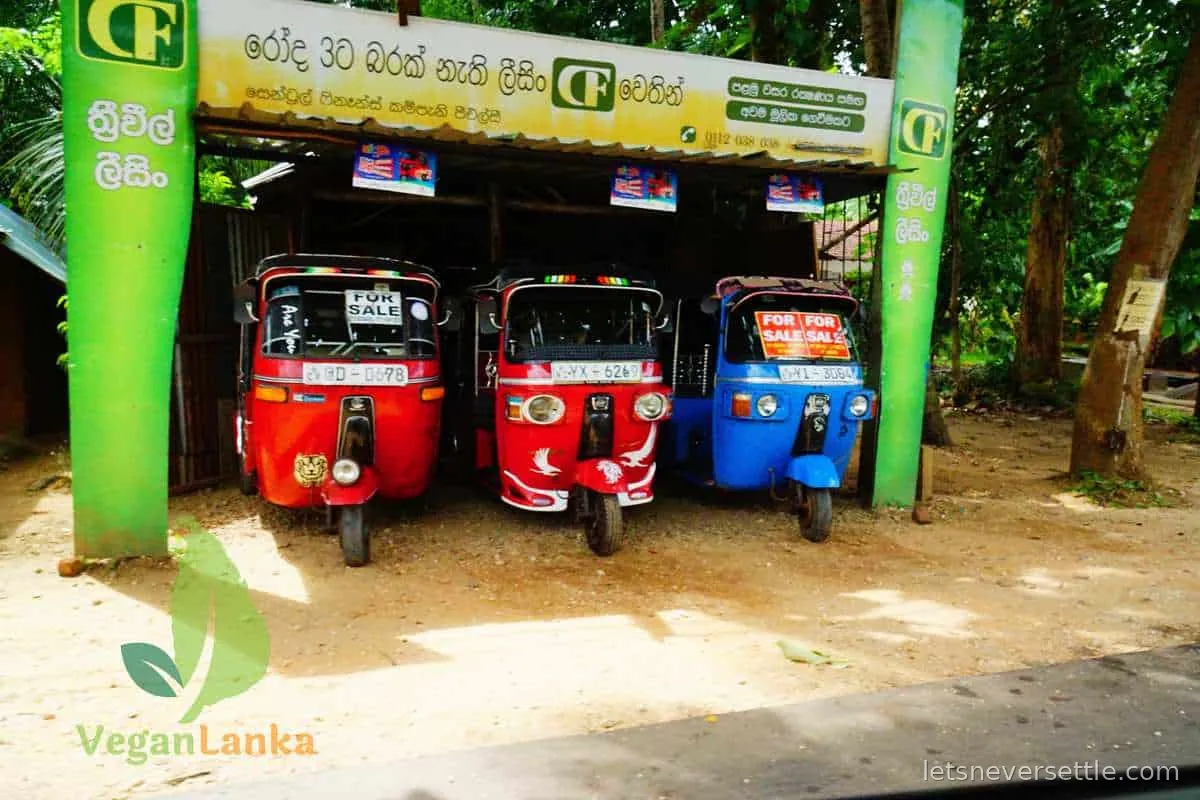
Three-wheelers, not tuk-tuks. That is what they are called here. In cities you can insist on the meter. In small towns you will be negotiating, so agree the fare before you get in. Our honest advice: ride one because it is fun, and use taxis when you actually need to be somewhere.
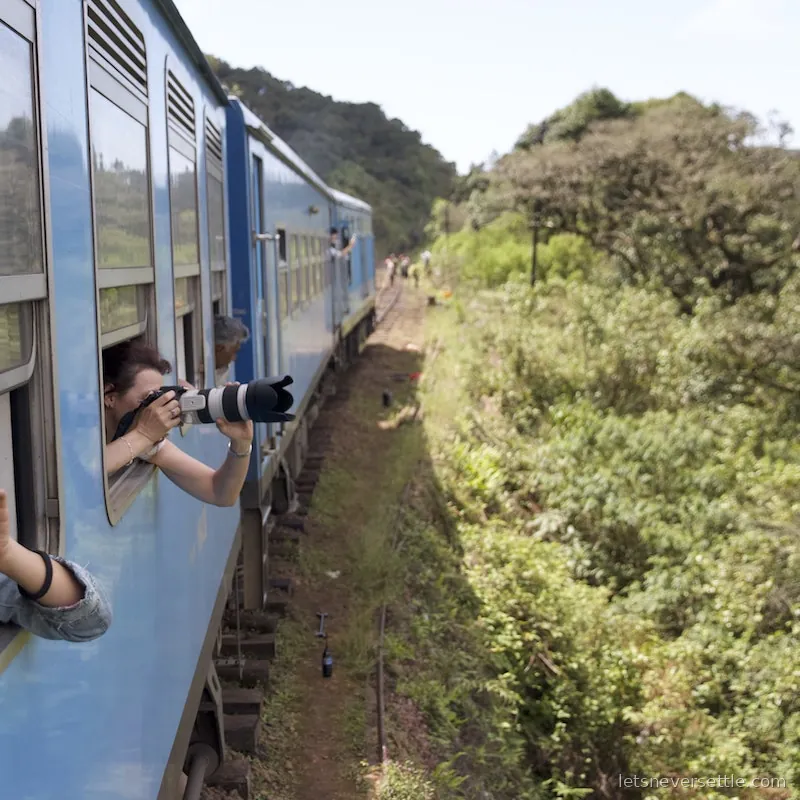
The trains are the best of it. Slow, cheap, and the hill country line is one of the great rail journeys. That has its own story.
Use your right hand
Paying, receiving change, shaking hands, handing over a card or a gift, eating with your fingers: right hand. The left is considered unclean and using it is genuinely rude rather than mildly awkward. It takes about a day to become automatic.
Street food, safely
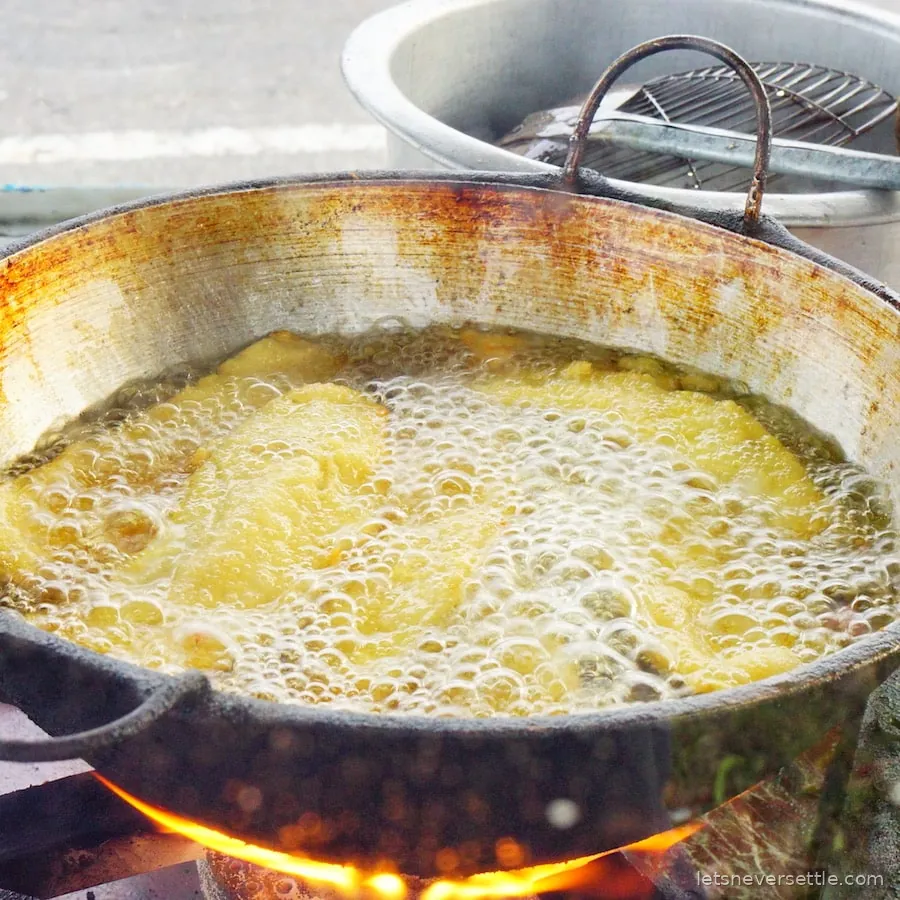
Cooked food is generally fine, and best eaten hot. Fried is the safest thing on any cart.
With fruit, avoid anything that has been sitting cut open. Vendors will happily cut a mango or a pineapple fresh, and you should ask them to. Decline the liquid spice mixes they offer to put on it. In our experience it is almost never the cooked food that causes problems, it is the sauces.
Drink the tea properly
Tea and coffee come with milk and sugar by default, and fresh juice often comes with added sugar and salt. Say so up front if you do not want that.
Ceylon tea is a premium black tea and Sri Lanka is the third largest exporter in the world. Try it once with nothing in it, so you actually taste what you came for. If you get to Kandy or Nuwara Eliya, visit a tea factory. Almost all of them will show you round.
Mosquitoes
Bring repellent with you rather than buying it there. There is no malaria in Sri Lanka, which people are often surprised by, but dengue is present and there is no prophylactic for it, so avoiding bites is the whole strategy. Check current advice with a travel clinic before you go rather than relying on a blog, including on vaccinations.
Animals
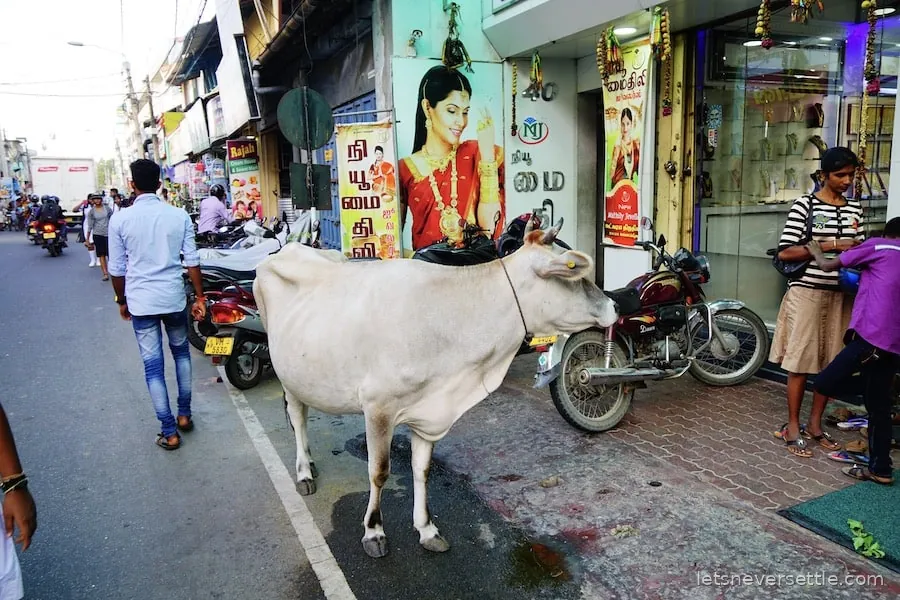
Stray dogs, cows and goats wander through towns as a matter of course, and there are monkeys in plenty of places. They are not pets and should not be treated as any.
The serious point: monkey and dog bites and scratches carry a rabies risk. If it happens, get medical attention immediately, the same day, not when your trip ends. Rabies is preventable right up until it is not, and by the time symptoms appear it is too late. Emergency numbers are worth saving before you travel.
Public toilets are the worst part of the trip
They are genuinely bad. Carry wipes and hand sanitiser at all times. Tourist sites, good restaurants and hotel lobbies are all far better options, and if you are out in the countryside, the jungle beats most public facilities. That is not a joke.
Sun and clothing
Bring your own sunscreen. The local selection is limited and expensive because of import duty. Buy the highest factor you can and make it reef-safe if you plan to swim.
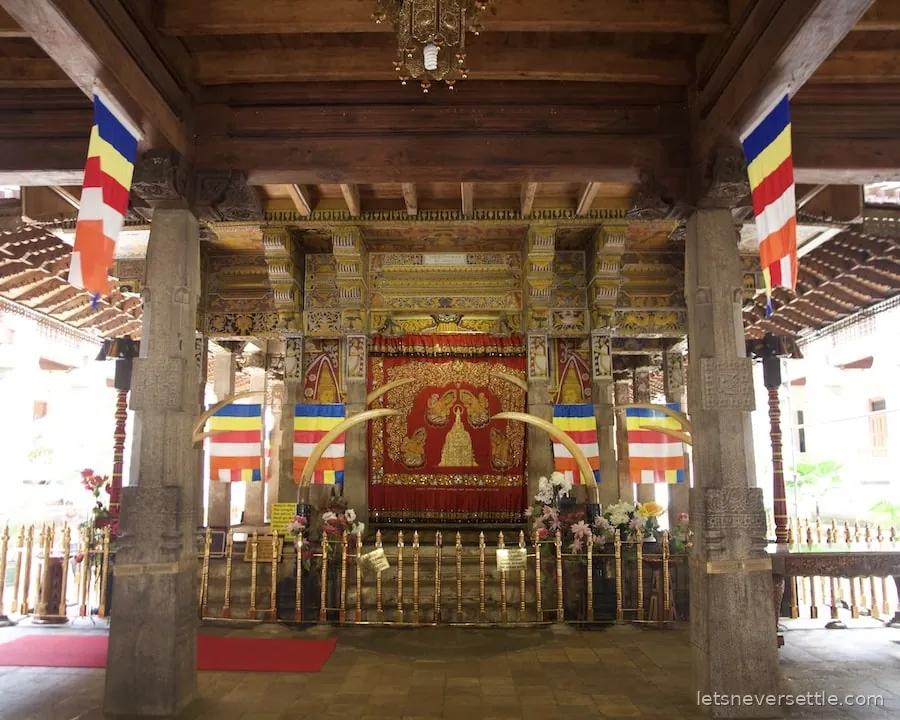
Long sleeves in very thin cotton beat bare arms in this heat, and a wide hat earns its space in the bag. For temples you will need shoulders and knees covered and shoes off, so pack something you can put on over whatever you are wearing.
Everything closes, often
Sri Lanka observes the holidays of every major religion plus a public holiday on every full moon, called poya. On poya days alcohol is not sold and many businesses shut. Check the calendar against your dates or you will find yourself somewhere lovely with nothing open.
When to go, by region
There is no single best time, because the island has two monsoons hitting opposite coasts. Pick the region first, then the month.
- May to September: avoid Colombo and the west coast.
- October to January: avoid the east coast.
- November and December: avoid the Cultural Triangle.
- Kandy and the tea country: fine all year.
- December to May: the season for climbing Adam's Peak.
For the heat itself: start early, hide in the middle of the day, come back out late afternoon. Everyone local already does this.
Cameras and drones
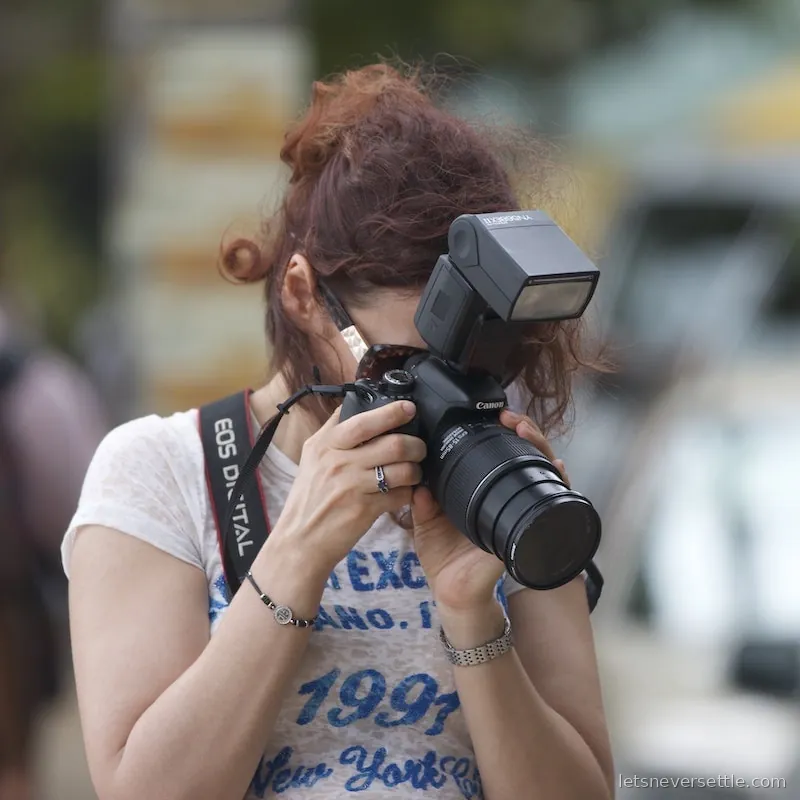
This one catches people out. A DSLR with normal lenses is fine as a tourist. Large video cameras, boom mics and lighting rigs are not, and can be treated as commercial filming, which needs permission you will not have on a tourist visa.
Drones need prior authorisation, and flying one without it near a site or an airport is a serious problem rather than a telling-off. If you plan to fly, sort the paperwork before you travel.
Being looked at
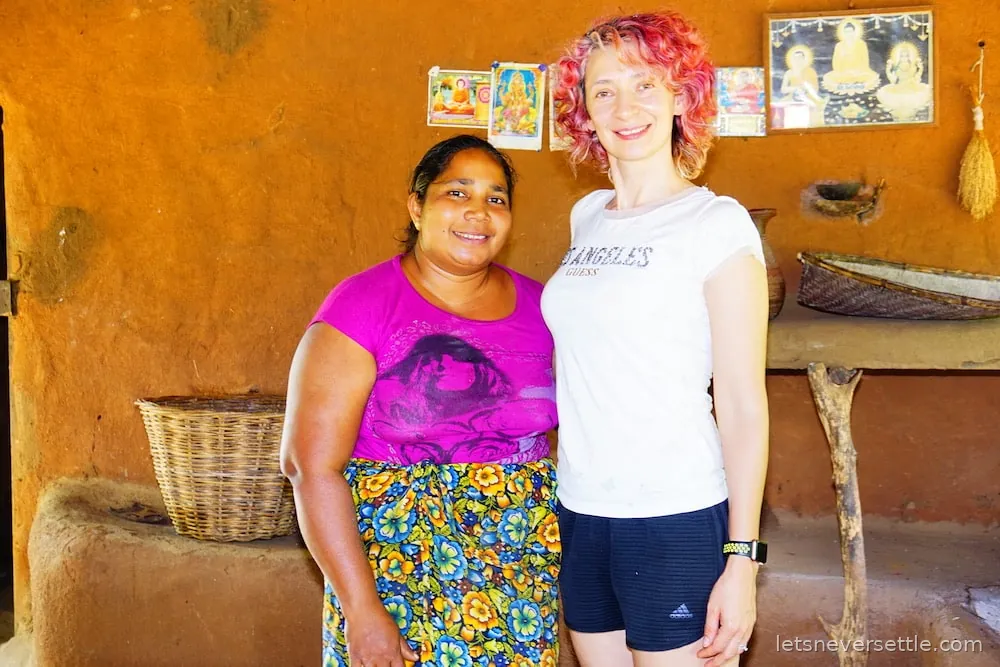
People stare, and they smile, and both are genuine rather than hostile. You may well be asked for photographs, especially away from the tourist trail. It is a compliment and it is also completely fine to decline: say no thanks and turn away, and nobody minds.
The reverse is true too. Take an interest in what people are doing and most will be delighted rather than annoyed.
Money and data
Change money at banks or official exchanges rather than at the airport if you can wait, and get a local SIM on arrival. Data is cheap and coverage is better than you would expect outside the cities.
Where we slept
Mud huts, tree houses, coconut leaf shelters and proper hotels. The range is enormous and the odd ones are often the memorable ones.
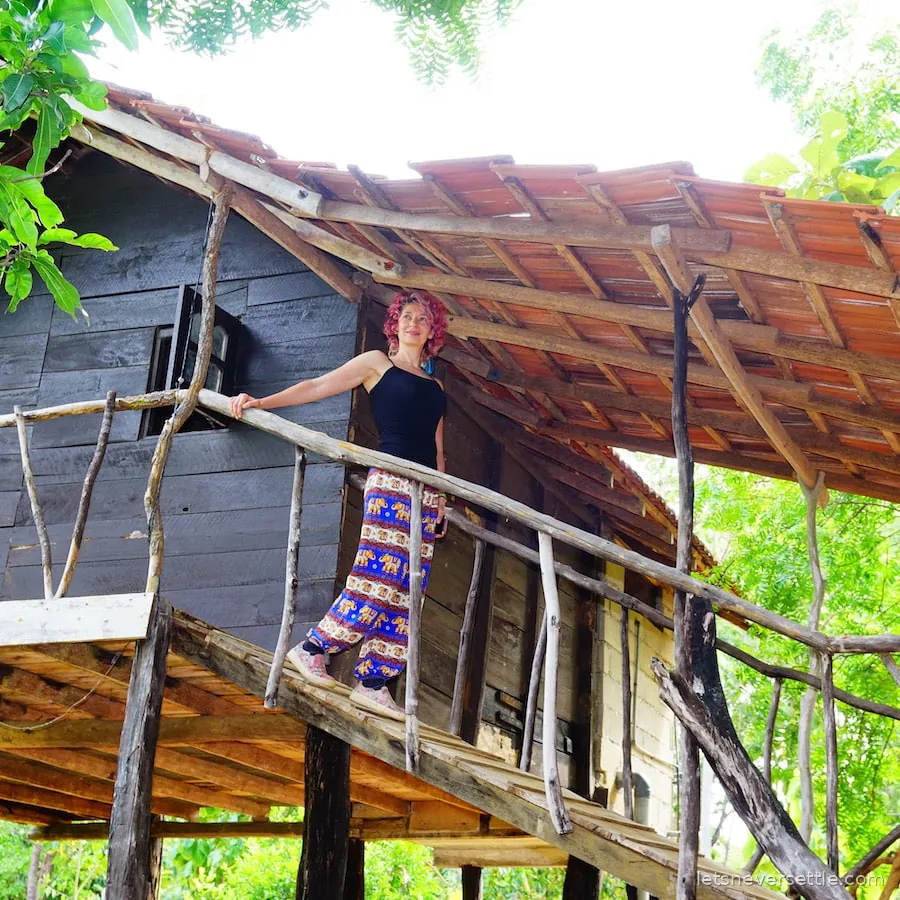
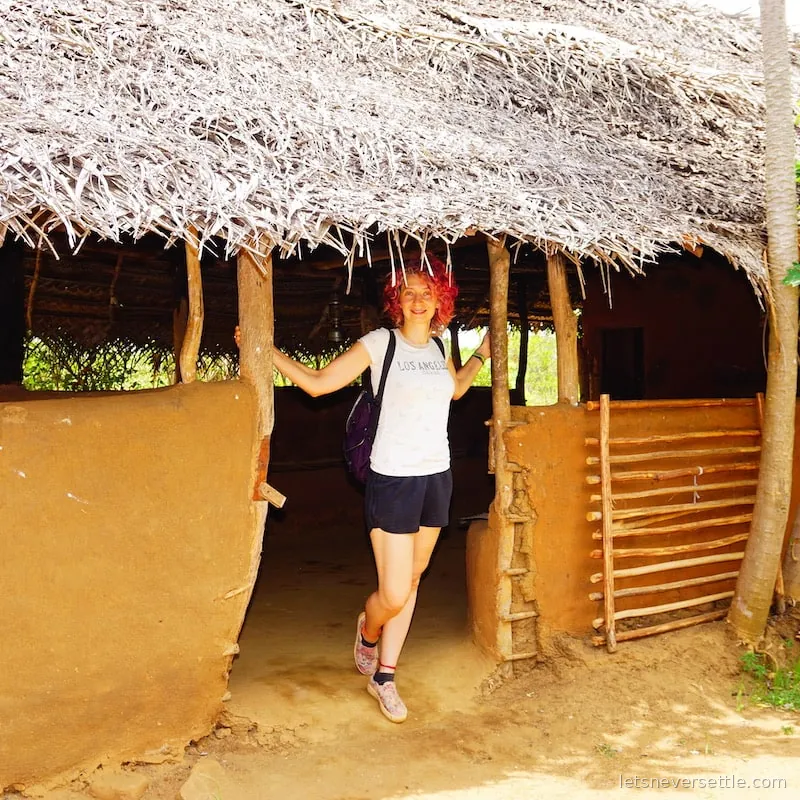
Where we stayed on later trips, with links, is on our where we have stayed page.
The rest of the island
Everything we have written about Sri Lanka is in the country hub, and if you are eating your way round, start with the cinnamon, the king coconut and the bananas.