
For years we assumed Ceylon cinnamon was ordinary cinnamon that happened to come from Sri Lanka. It is not. They are two different plants, they look nothing alike once you have seen them side by side, and most of what the world sells as cinnamon is the other one.
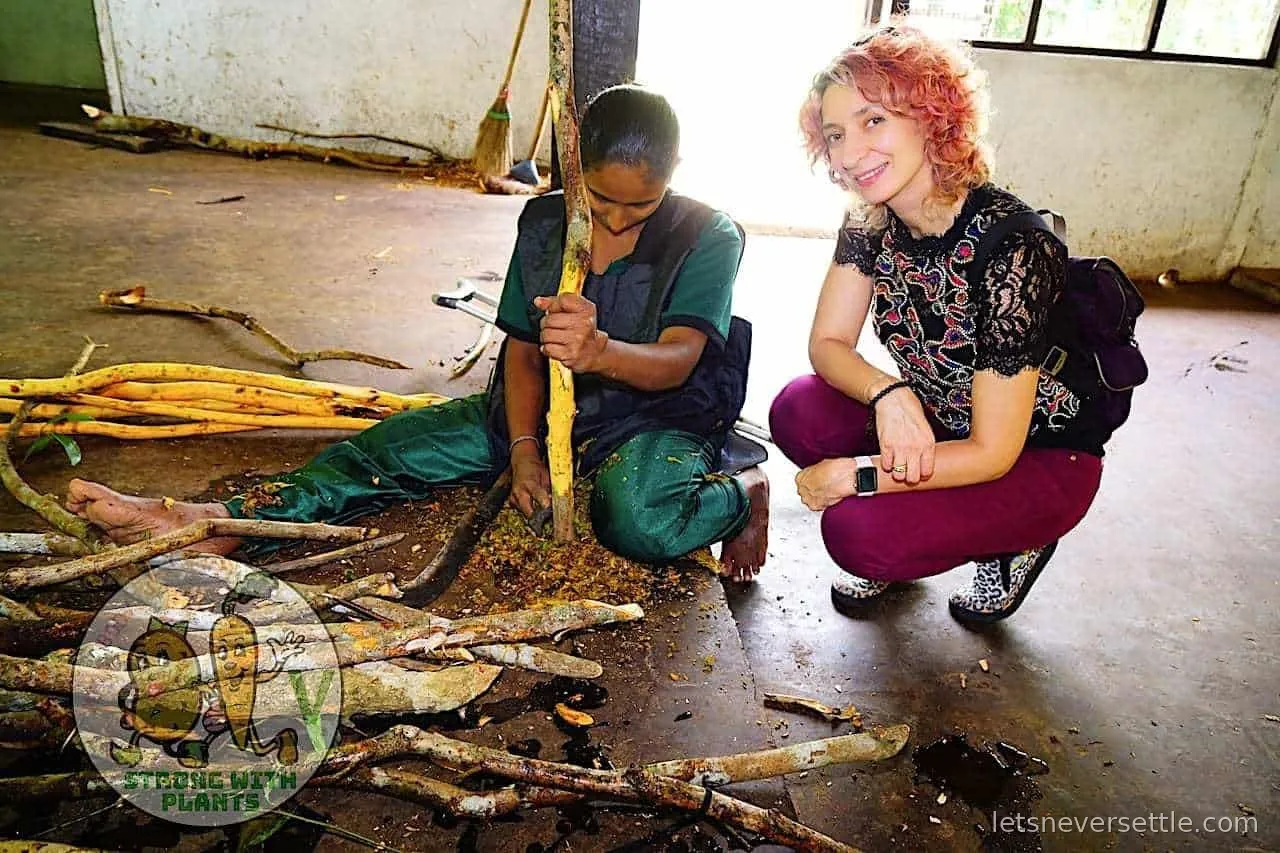
We got to visit several cinnamon workshops in Sri Lanka and watch it being made the traditional way, which is where the difference stops being trivia and starts being obvious.
What is actually in the jar
Most cinnamon sold worldwide, including in the United States, is cassia. In the EU a jar labelled Ceylon cinnamon has to be the real thing, but a jar labelled simply cinnamon can legally be either. So the absence of the word Ceylon tells you more than its presence.
How to tell them apart
Once you have handled both, you will never mix them up again.
- Cassia is hard and rough, dark, and rolls into a single thick tube that is hollow in the middle. It snaps rather than crumbles.
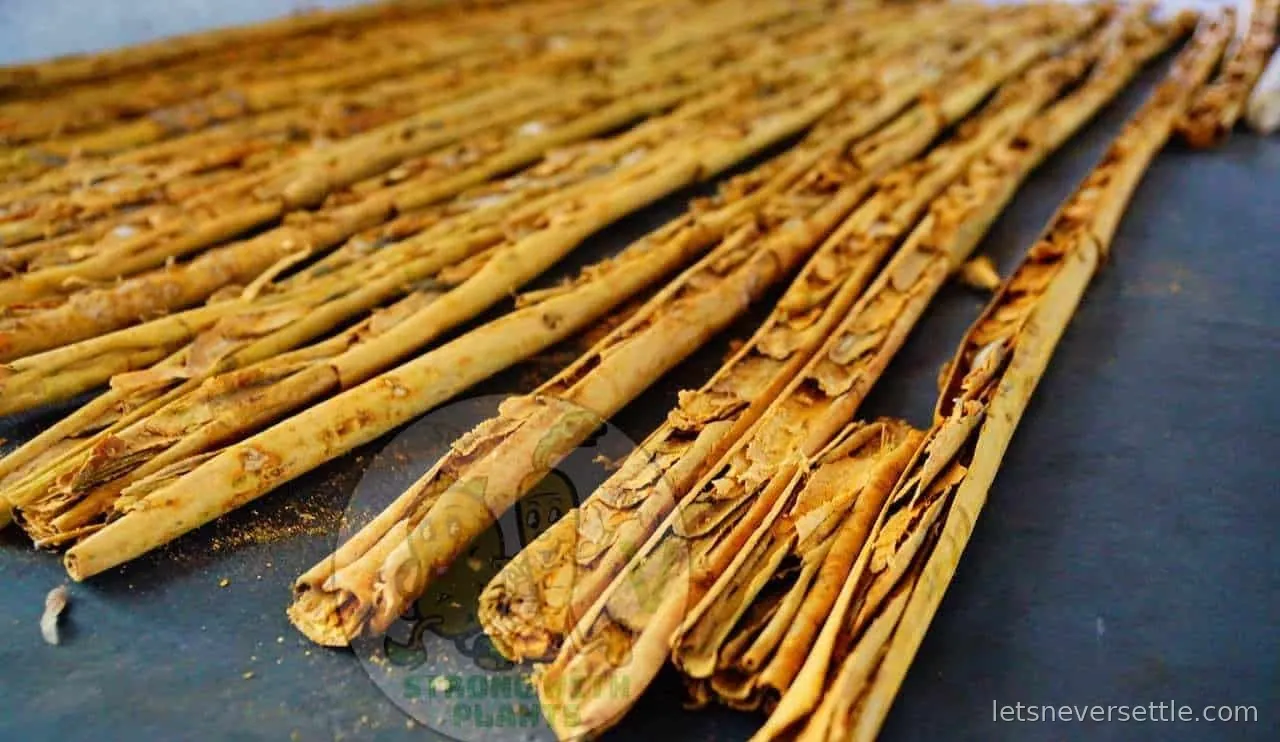
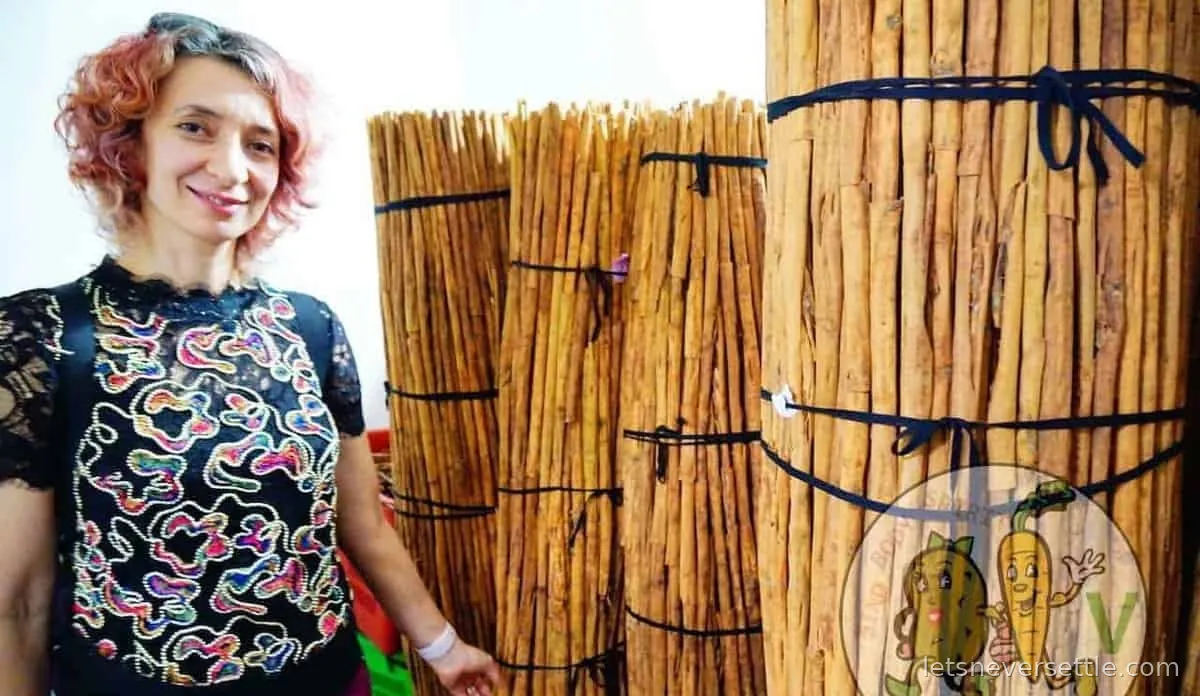
- Ceylon cinnamon is soft, thin and pale, and rolls into many fine layers like a cigar. You can crumble it in your fingers, and if you chew a piece it is sweet.
Why anyone bothers with the distinction
Beyond taste, there is one practical difference worth knowing. Cassia contains roughly 1% coumarin. Ceylon cinnamon contains about 0.004%, which is a difference of more than two hundred times. Coumarin is why several food safety agencies set guidance on how much cassia is sensible to eat regularly. In the quantities most people use on porridge, none of this matters. If you are the sort of person who puts cinnamon in everything, it is worth knowing which one you own.
We are not going to make health claims beyond that. There are plenty of sites that will.
How it is made
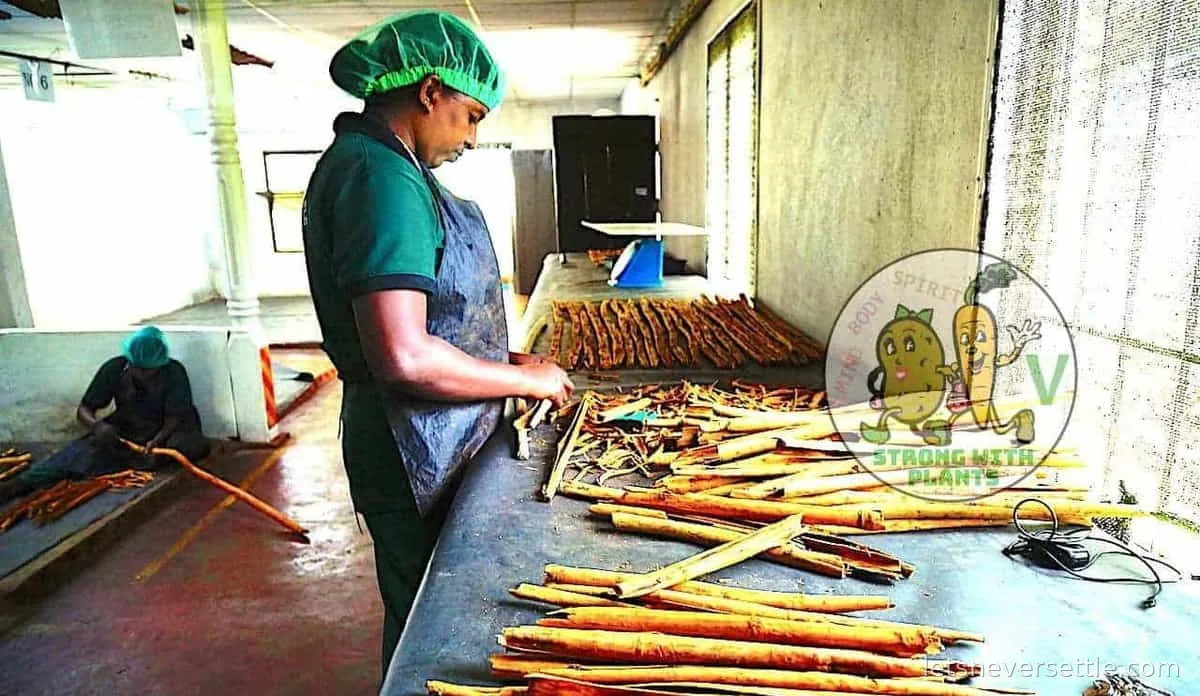
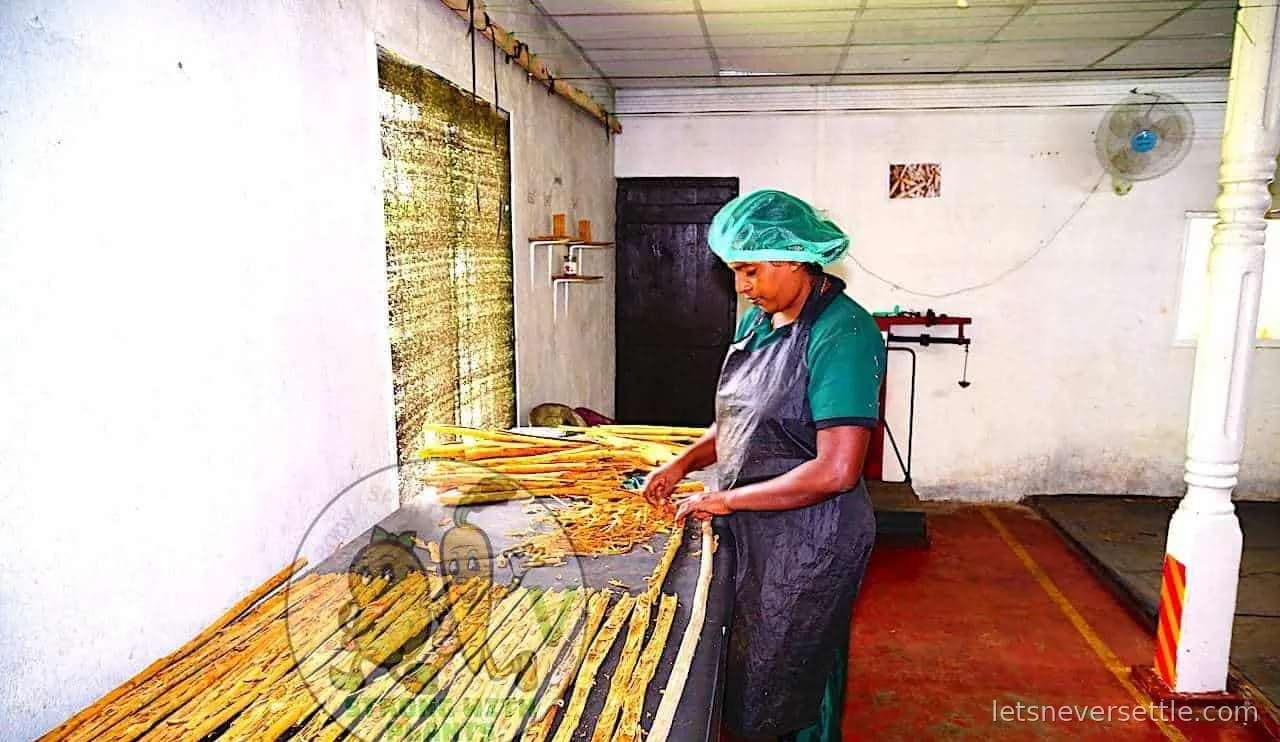
The reason Ceylon cinnamon costs several times what cassia costs is that it is a hand craft. The outer bark is scraped off, the inner bark is peeled away in long strips, and those strips are rolled inside one another to make a quill. It is packed by hand as well, because it is too delicate for machines.
Buying it
In Sri Lanka you can buy it at the source for a fraction of what it costs anywhere else, and Matale is the heart of it. Elsewhere, look for the words Ceylon cinnamon or the botanical name Cinnamomum verum, which literally means true cinnamon. If a jar says only cinnamon and is cheap, it is cassia.
If you are heading to the island, more of what we found is in everywhere we have been in Sri Lanka.
More Sri Lankan produce worth knowing: the king coconut, the sugar apple and the banana varieties.