
Sri Lanka grows 29 varieties of banana. Not 29 sizes of the same banana: genuinely different fruit, different colours, different uses, some of them nothing like the one in your supermarket. We got through seven of them.
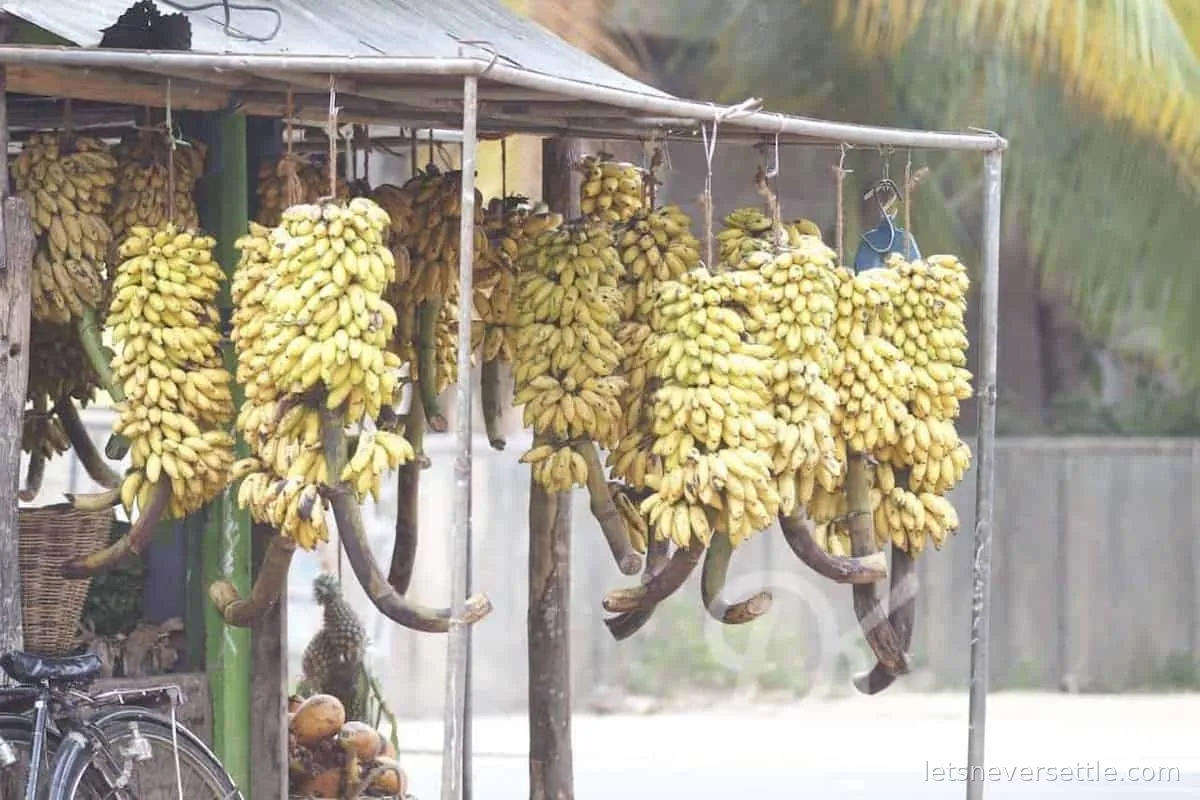
Seeni, the sugar banana
Small, firm and very sweet. They ripen to a brown-yellow that looks like they have gone over, and that is exactly when to eat them. Too sweet to eat several of on their own, excellent in a smoothie with something citrus, and the one to use for cakes and desserts.
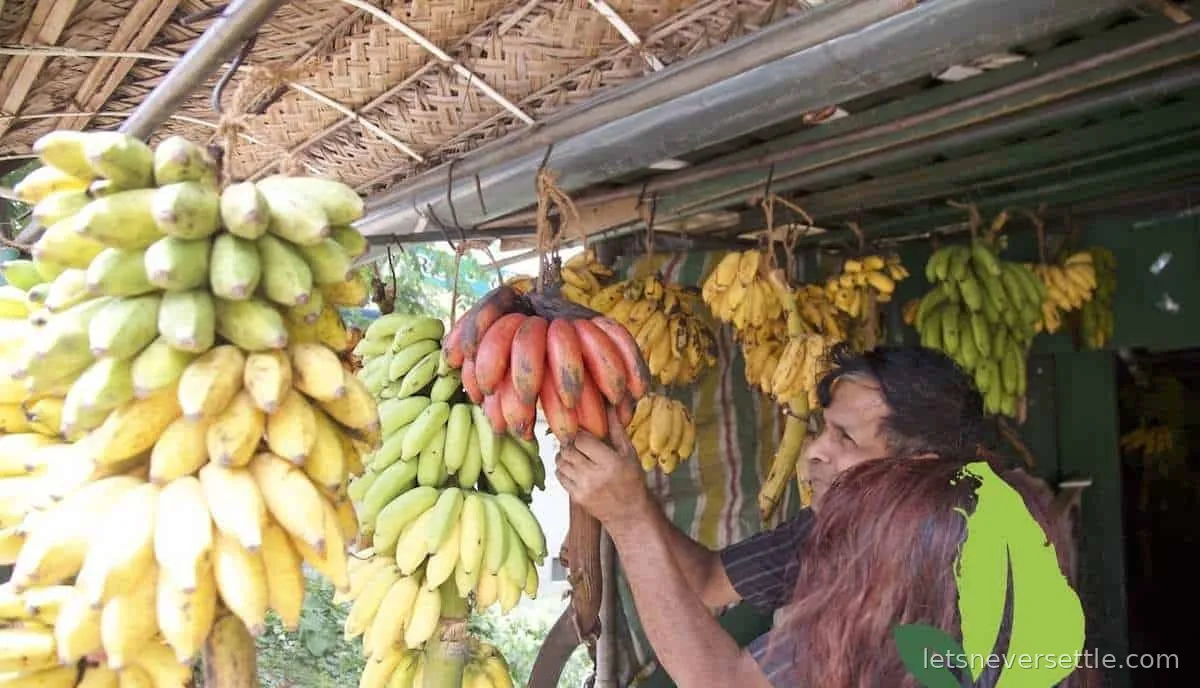
Ambul, the sour banana
Almost the same size as seeni, which is why it took us a while to tell them apart, and then completely different in the mouth. Short and slender with pointed ends and a smooth pale yellow skin. Sour with a bit of sweetness behind it, which is why they turn up in desserts far less often.
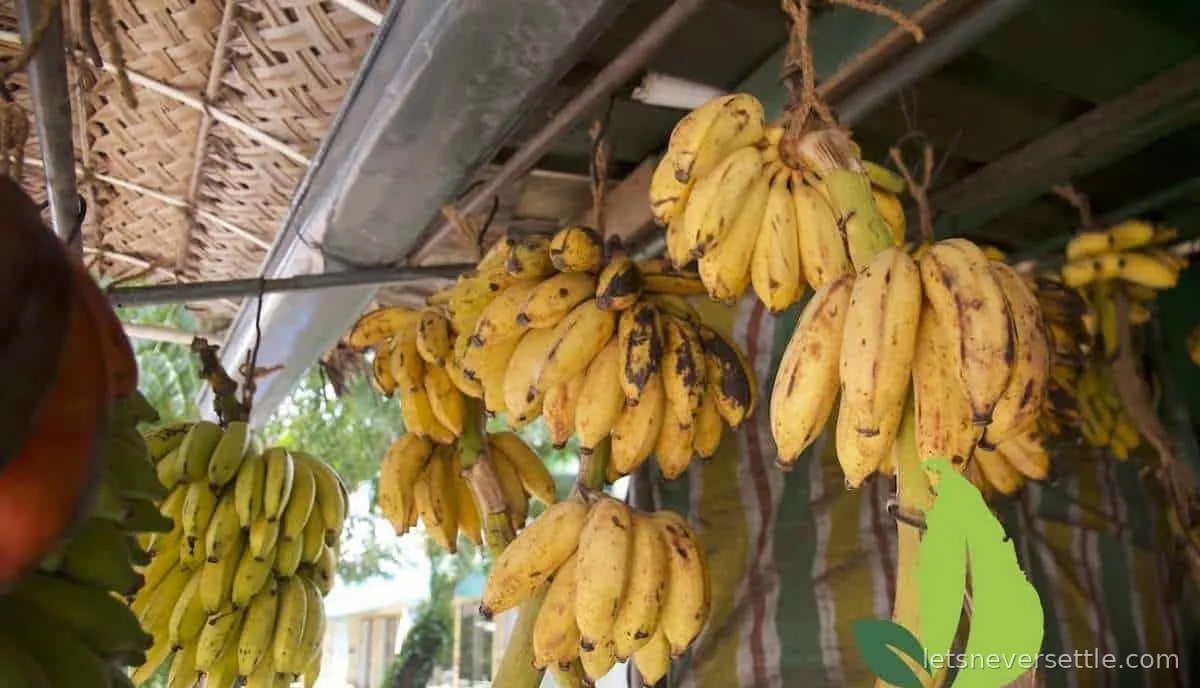
Kolikuttu, the silk banana
Our favourite of the common ones. Slightly curved, plump, yellow going to brown-spotted as it ripens. The balance of sweet and sour is close to perfect and the skin is thin and satisfying to peel. Eat it as it is.
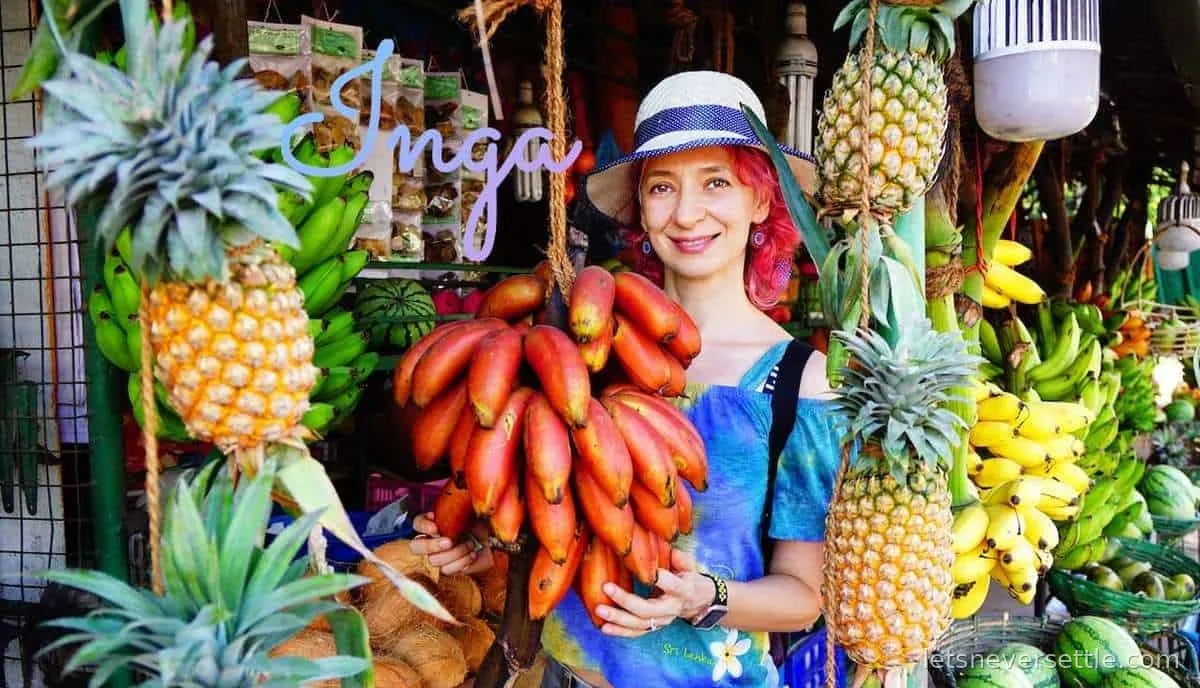
Rath kehel, the red banana
The best banana we have eaten anywhere. Red-skinned, going dark and mottled as it ripens, short and plump enough to look like it might split. The flesh is mustard yellow, very soft, creamy and sweet. They are less common and noticeably more expensive than the rest, and worth it. If you want more from them, bake or boil them.
Anamalu, the green one
Also known as Gros Michel. Slender, curved, thick-skinned, and sold green, which is why we ignored them for months on the assumption they were unripe. They are not. Someone served them for dessert at a family gathering, we tried one out of politeness, and then ate one in porridge most mornings for the next half a year. Sweet, aromatic, soft, and easy to peel.
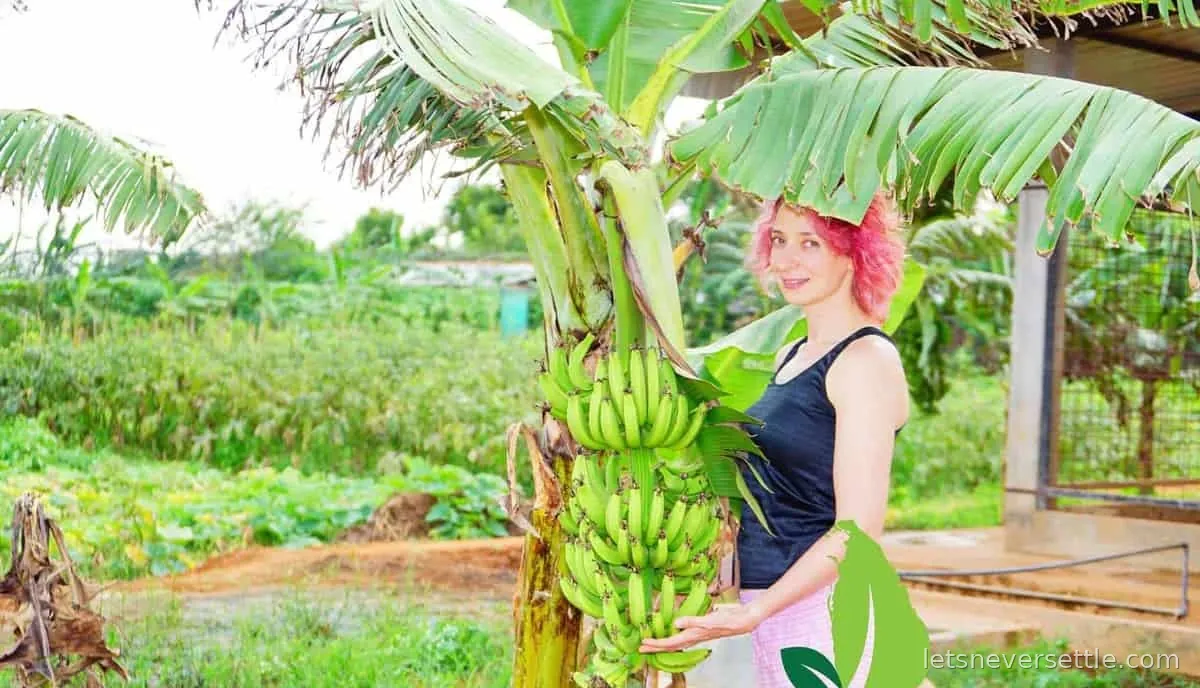
Alu kesel, the ash plantain
A cooking variety rather than a snack. Small, slightly curved, dark green, thick-skinned, with a dusty bloom on the skin that gives it the name. Cooked into curry rather than eaten raw.
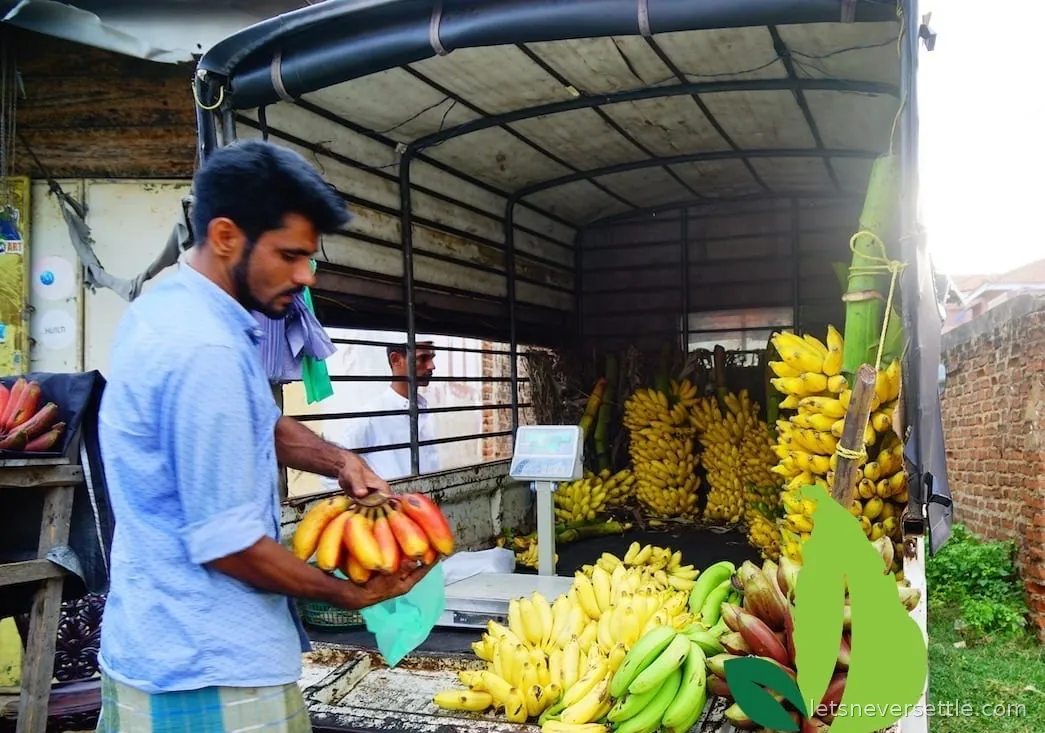
How they get around
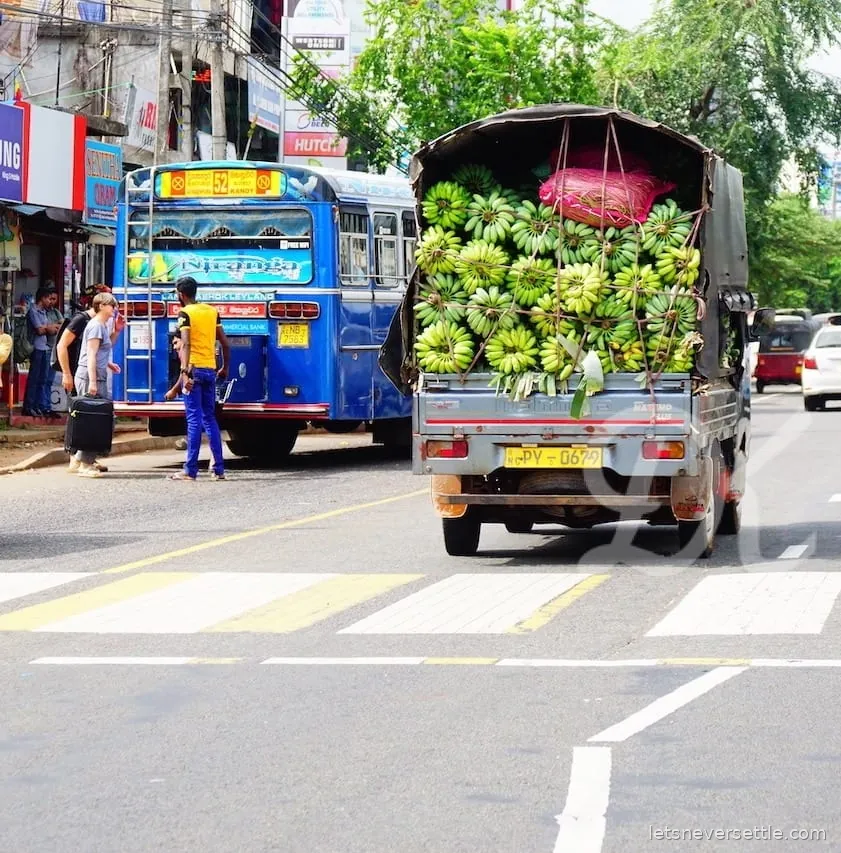
You will see more bananas in transit here than anywhere else: stacked on the back of a truck, roped to a moped, filling a whole tuk-tuk.
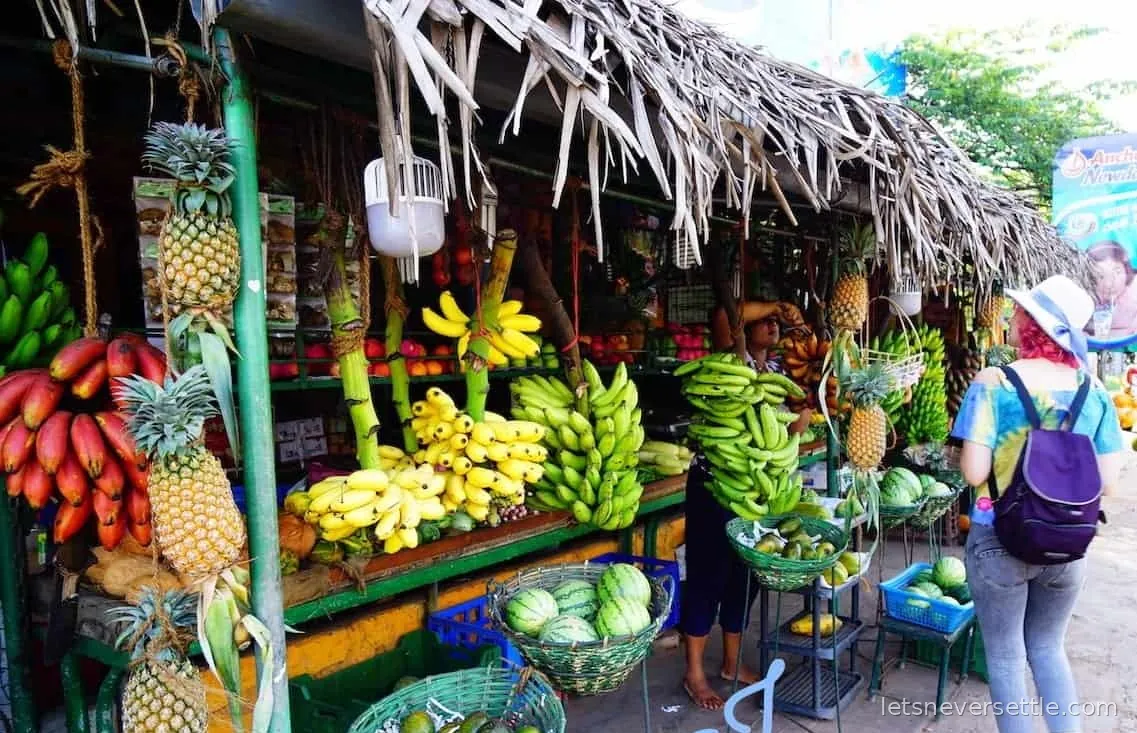
If you are eating your way round the island, the king coconut and the sugar apple are the other two to look out for, and there is more in everywhere we have been in Sri Lanka.