
Mongolia was never on the list. We had a restrictive diet at the time and assumed we would spend two days eating nuts out of a bag, so we packed accordingly and went anyway with no expectations at all about the food.
That turned out to be the most wrong we have been about a country.
Day one: five hundred kilometres west
We landed in Ulaanbaatar in the small hours. Moogii, our guide, was waiting despite the time, checked us into a hotel of considerable 1990s character, and said she would be back at eight. We slept like the dead and were up at half six.
When she arrived she had her son Odee with her. It was his first trip too. He is a chef, and he had come along to cook for us.
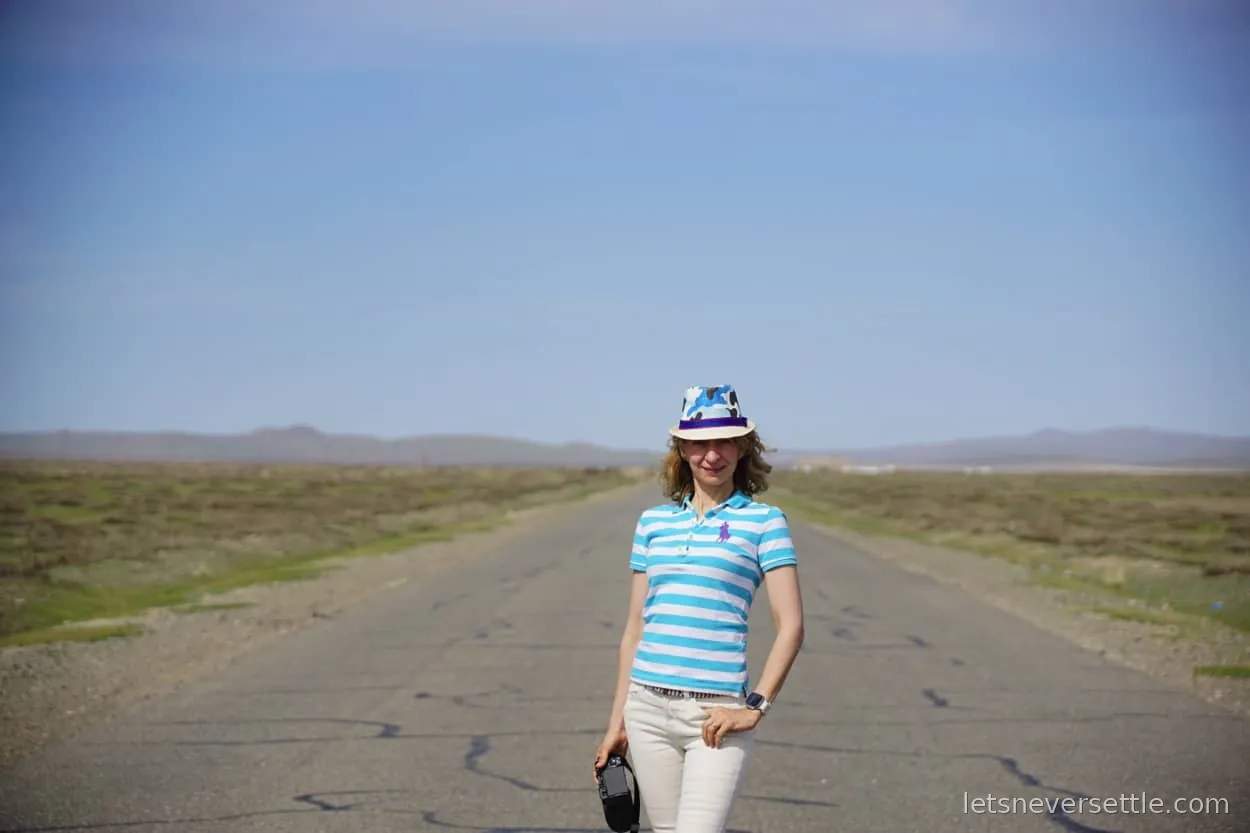
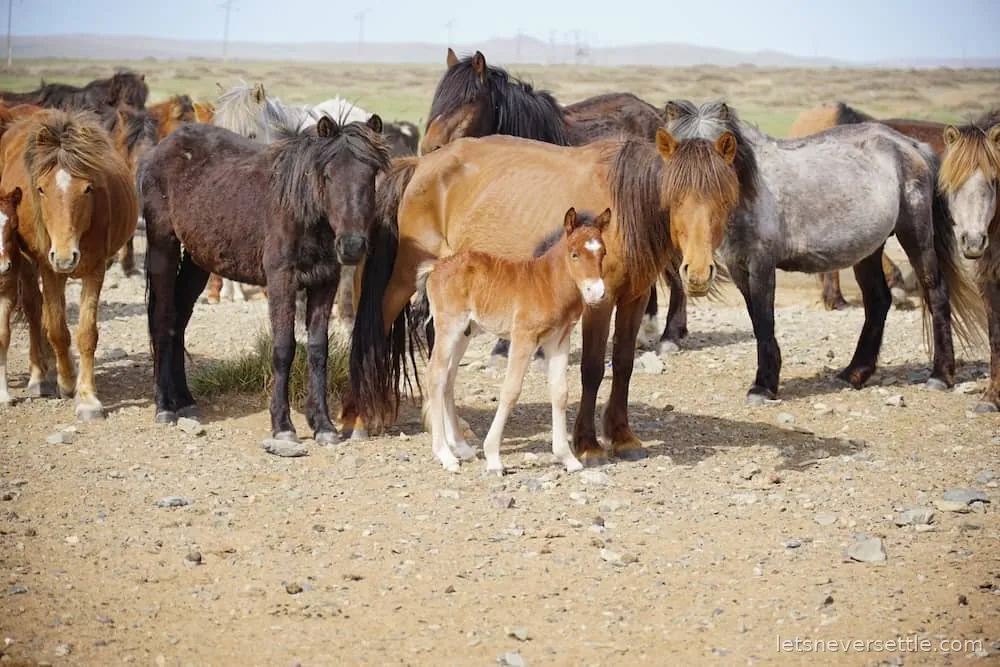
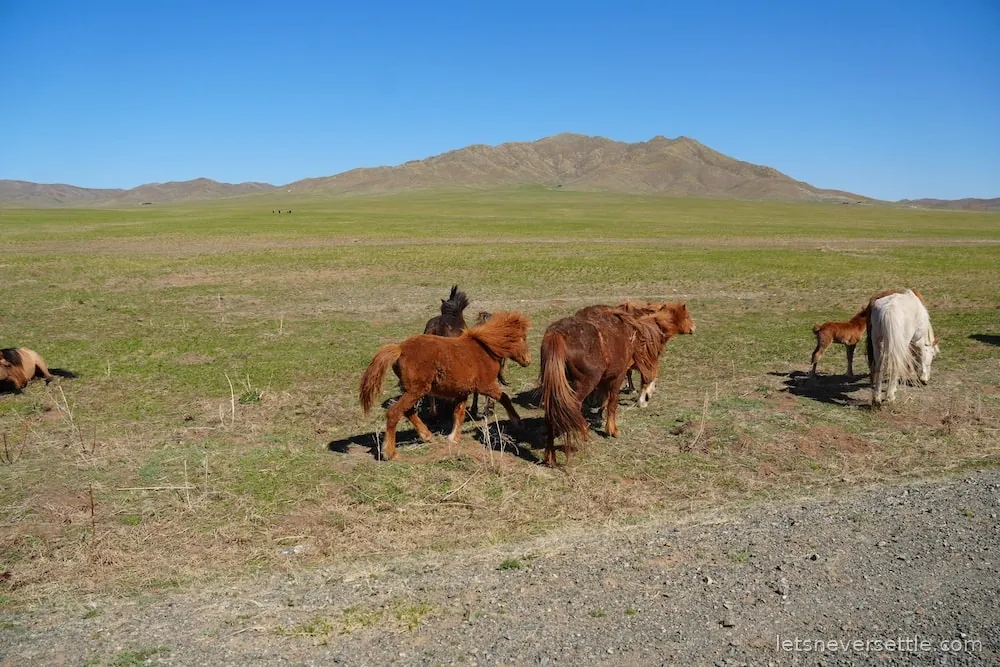
It was May, which is when everything in Mongolia has just given birth. Cows and calves, horses and foals, sheep and lambs, goats and kids, all of it grazing at the roadside for hours on end. We stopped constantly.
Lunch in the middle of a field
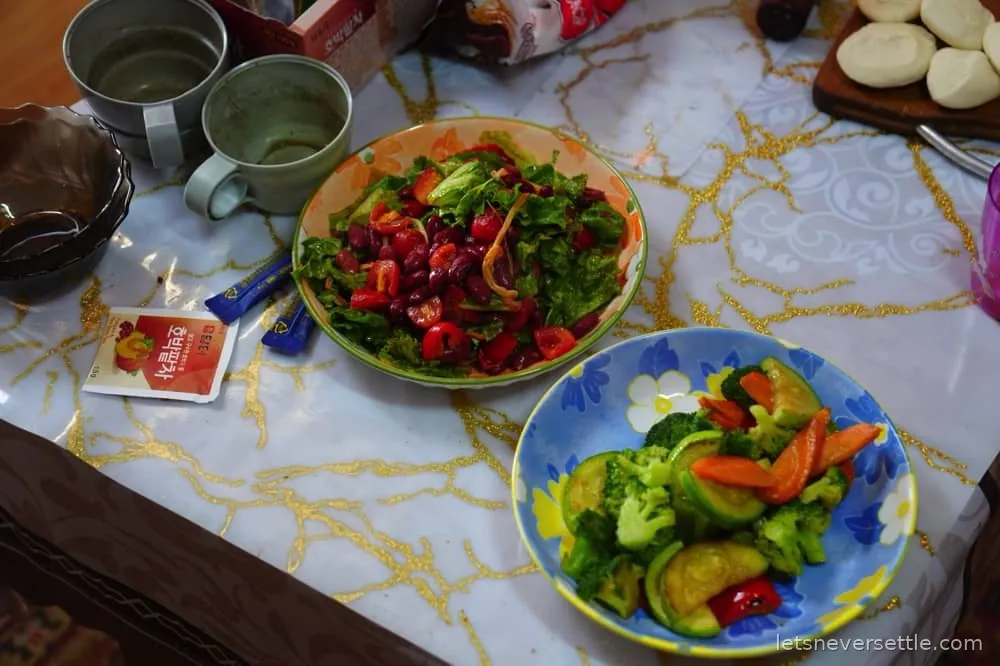
Around midday Moogii pulled over into a plain where cows were grazing, and she and Odee produced blankets, groceries, a camping stove and cutlery from the car. They laid out a table on the ground: tea, coffee, hot water in a flask, bread, salad made fresh on the spot. Then they cooked us tsuivan, a Mongolian noodle dish, adapted for us.
The Gobi, and camels
The Gobi is not all sand. It runs across southern Mongolia and it is a place of extremes in both directions, hot and then very cold, and it is where a lot of the world's important dinosaur fossils have come from.
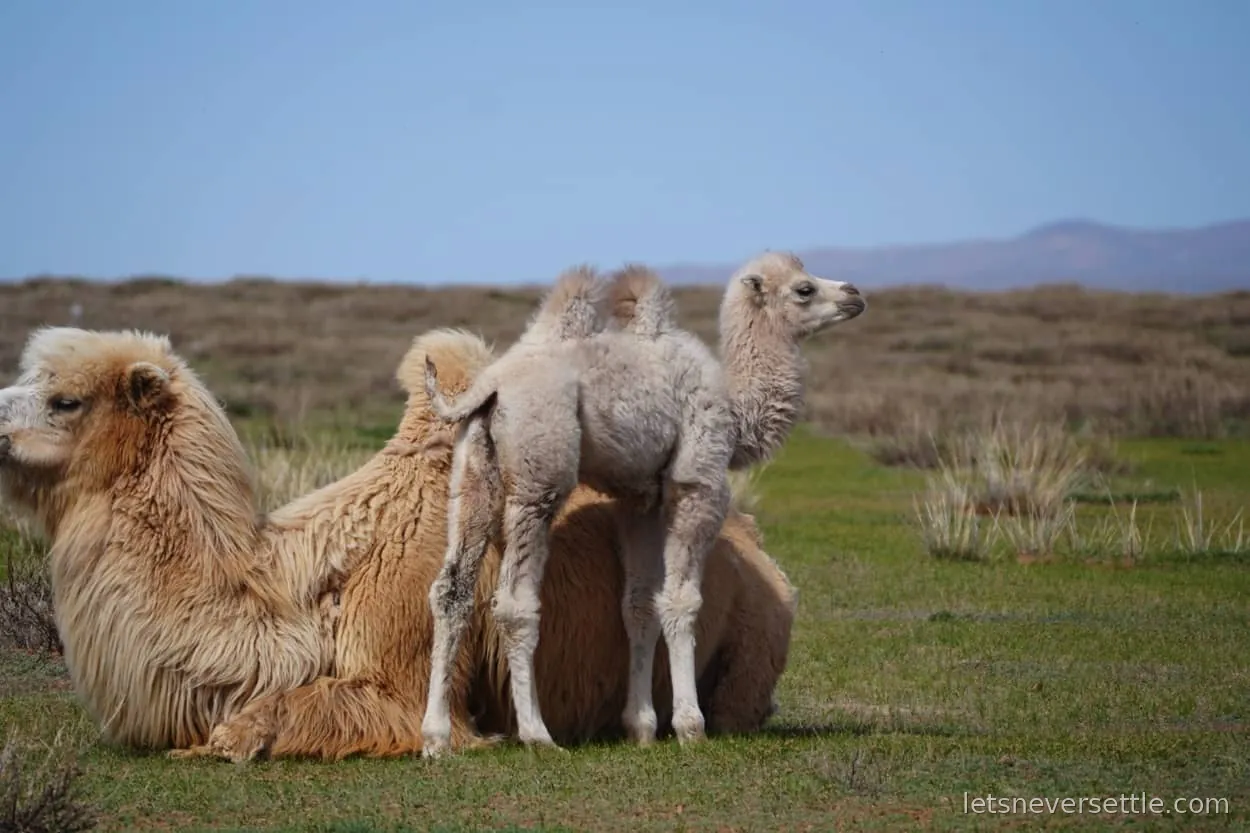
Where we stopped there were domesticated Bactrian camels in coloured blankets, waiting for tourists to ride them. We photographed them instead, which is our general position on riding animals.
Erdene Zuu
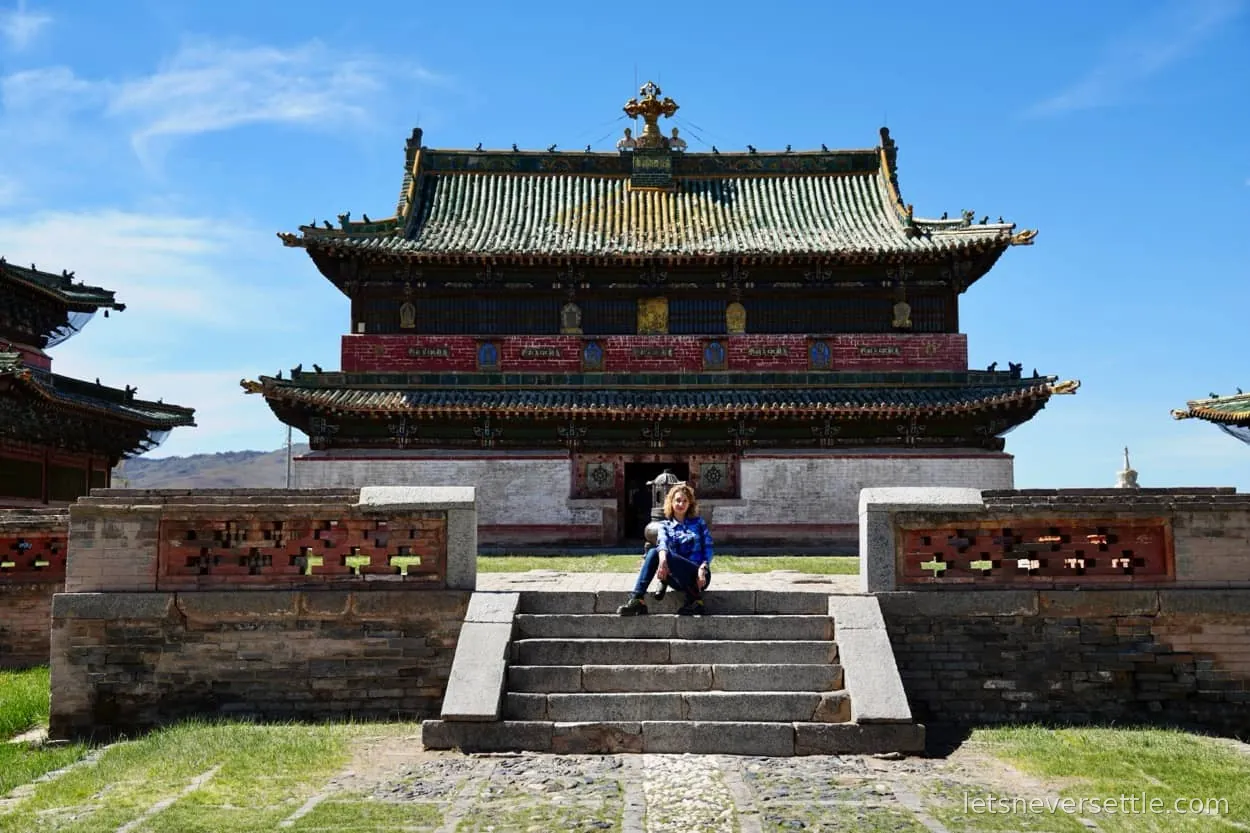
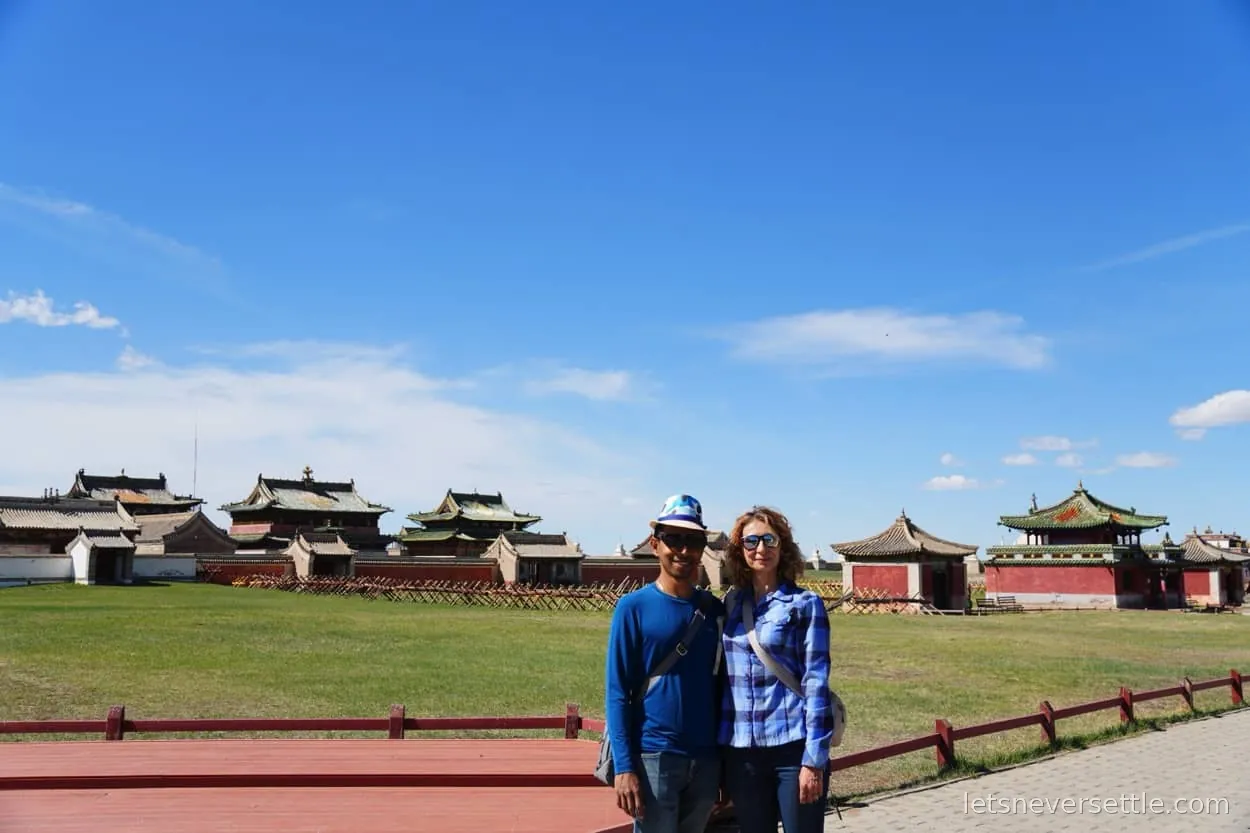
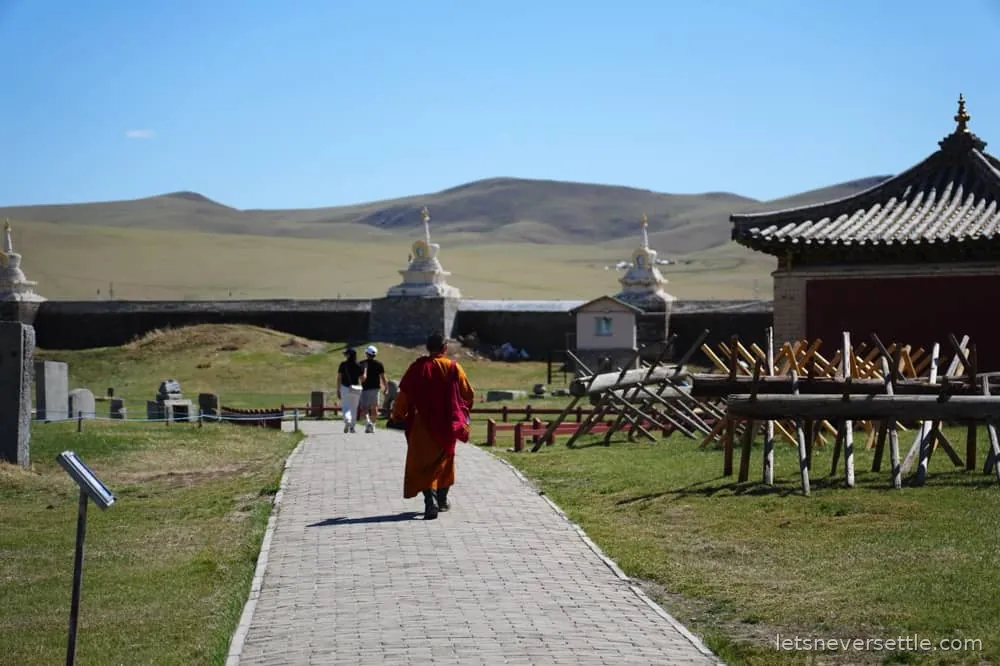
Erdene Zuu sits beside the ruins of Karakorum, the old imperial capital, and it is the oldest surviving Buddhist monastery in the country. It was founded in 1585 by Abtai Sain Khan, built partly out of stone taken from the ruined city, and at its height the walls enclosed 108 temples.
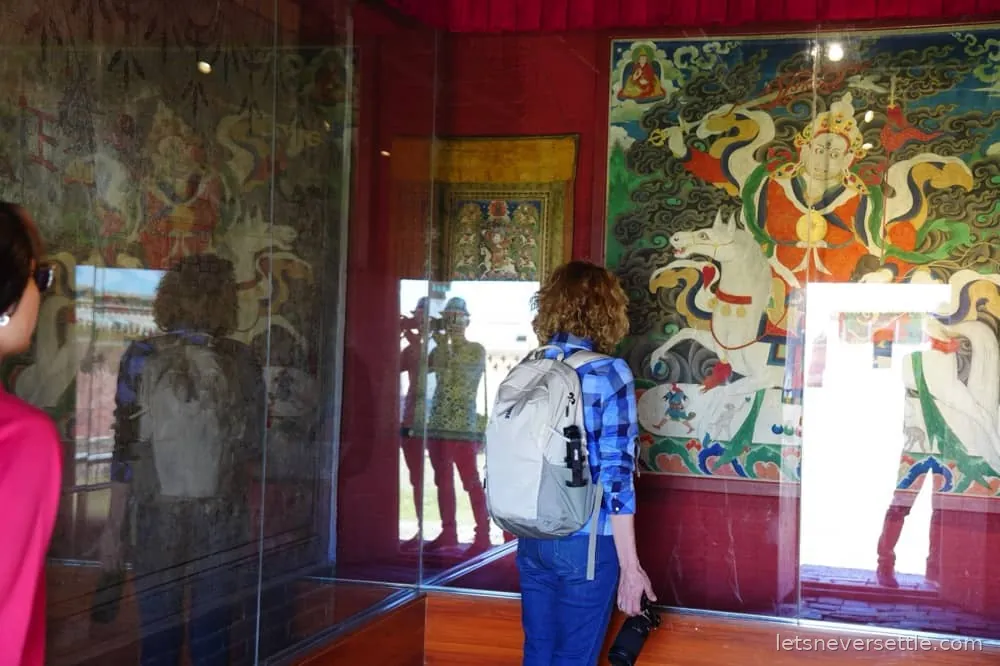
Most of that was destroyed in the religious purges of the 1930s. What survived became a museum in the 1960s, and part of it is an active place of worship again now.
The family that had moved
We were meant to spend the night with a nomadic family. We drove for hours down roads that got progressively less like roads, past gers spaced miles apart, until Odee stopped to ask a shepherd for directions.
From the tone of that conversation it was obvious something had gone wrong. The family had moved on and had not mentioned it to anyone. Which is, when you think about it, the entire point of being nomadic.
We backtracked to the main road while Moogii worked the phone, and forty minutes later she found another family willing to take in two strangers at short notice.
A night in a ger
We arrived just before sunset, at about eight, into a scene of complete chaos: the whole family out herding lambs, sheep, goats and kids back into the pens for the night. The children waved us in.
The hostess lit the stove with dried sheep dung mixed with grass, which is the fuel out here because there is no wood. The family moved into their second ger and gave us the one they normally sleep in.
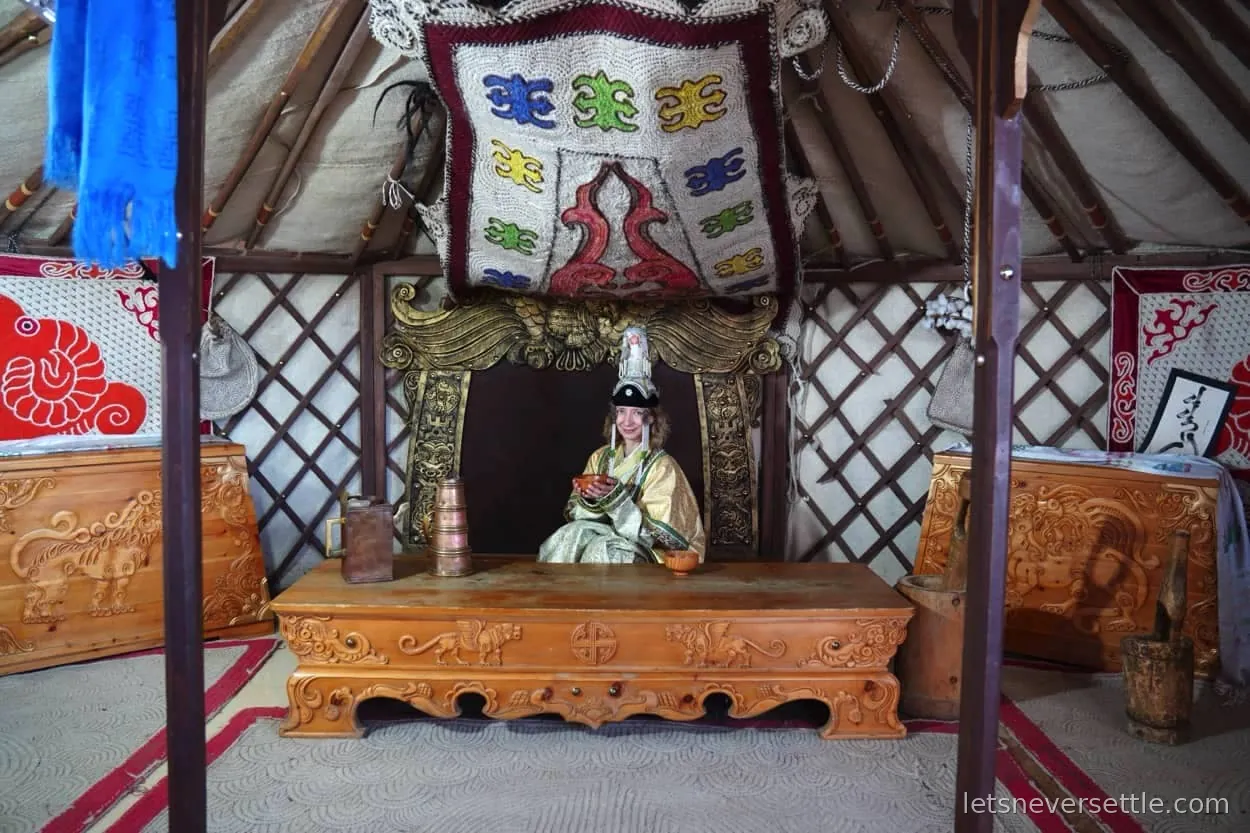
There were two children, a girl of about ten and a boy of six. The girl was in traditional dress and completely charming. Her name was beyond us but we were told it meant Happy, so Happy and Inga made a heart shape with their hands and posed against the setting sun.
Moogii and Odee cooked a Mongolian hot pot on the stove. Then the temperature dropped, the animals went quiet, and at about half ten it got properly dark. There is no light out there for a very long way in any direction, and the sky does what the sky is supposed to do.
Day two
Breakfast was two salads, bread, tea and coffee, then Moogii made dough while Odee started on buuz, the Mongolian dumplings, filled with mashed potato for us instead of mutton.
Chinggis Khaan, forty metres of stainless steel
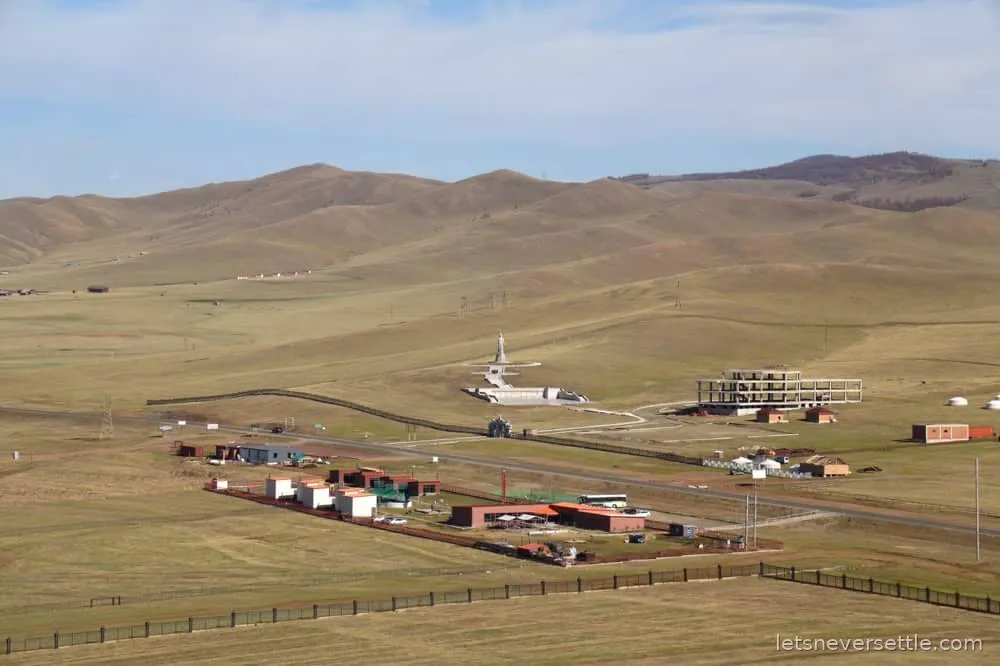
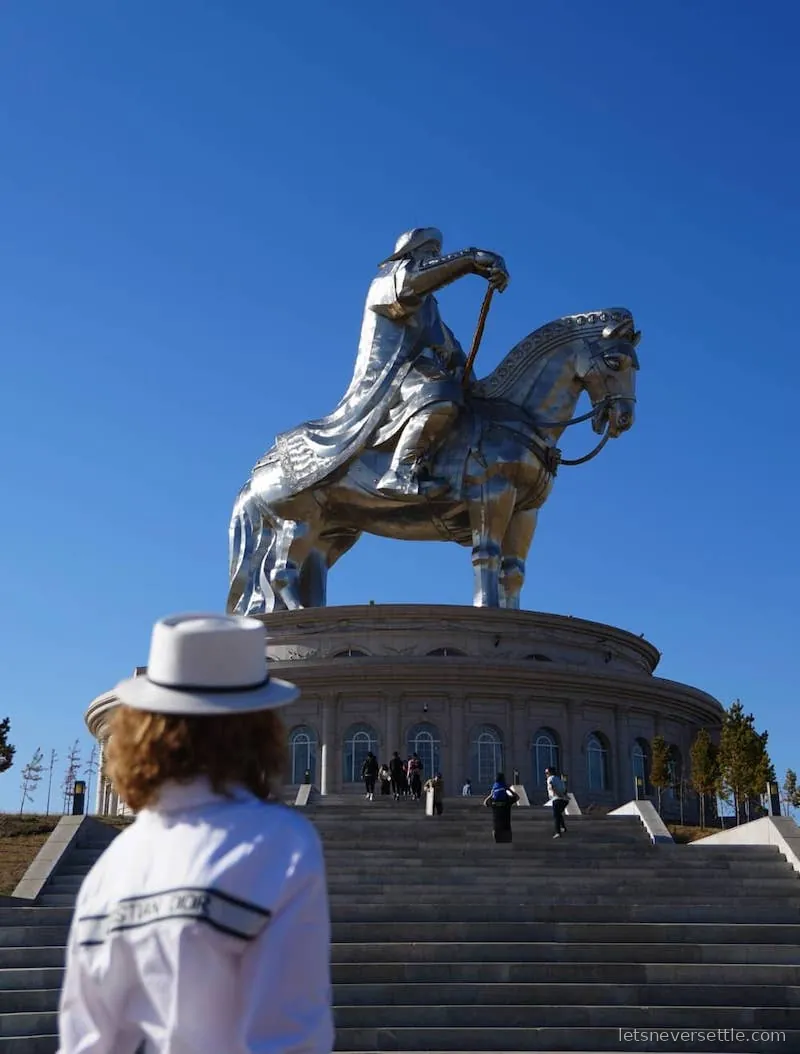
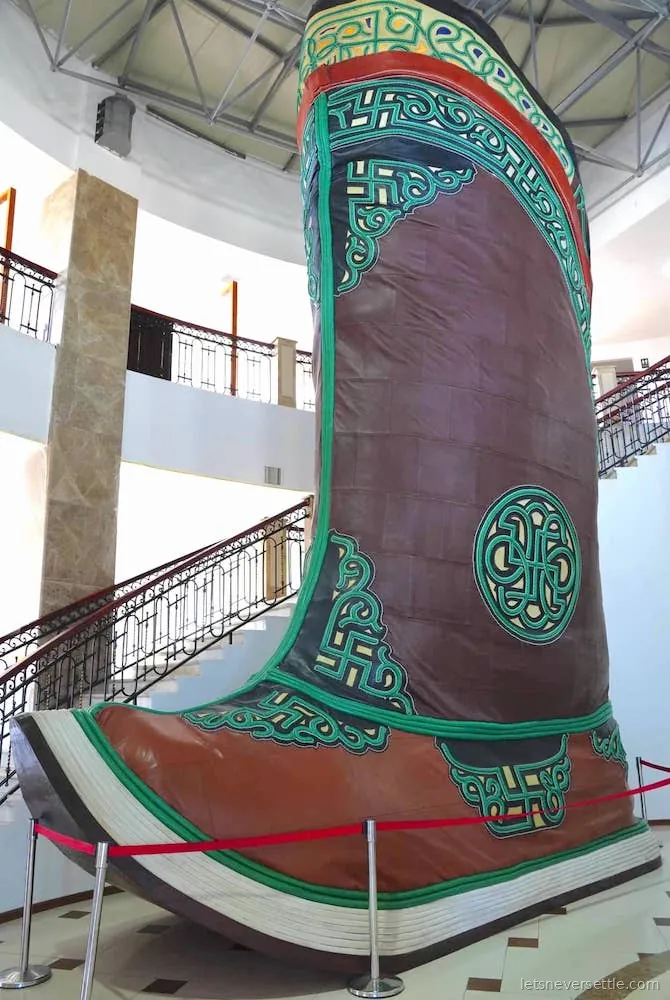
On the way back to the capital we stopped at the Chinggis Khaan Equestrian Statue, which is forty metres of stainless steel on a hill and visible from a very long way off. You go up inside it and come out on the horse's head.
Terelj and the Aryabal temple
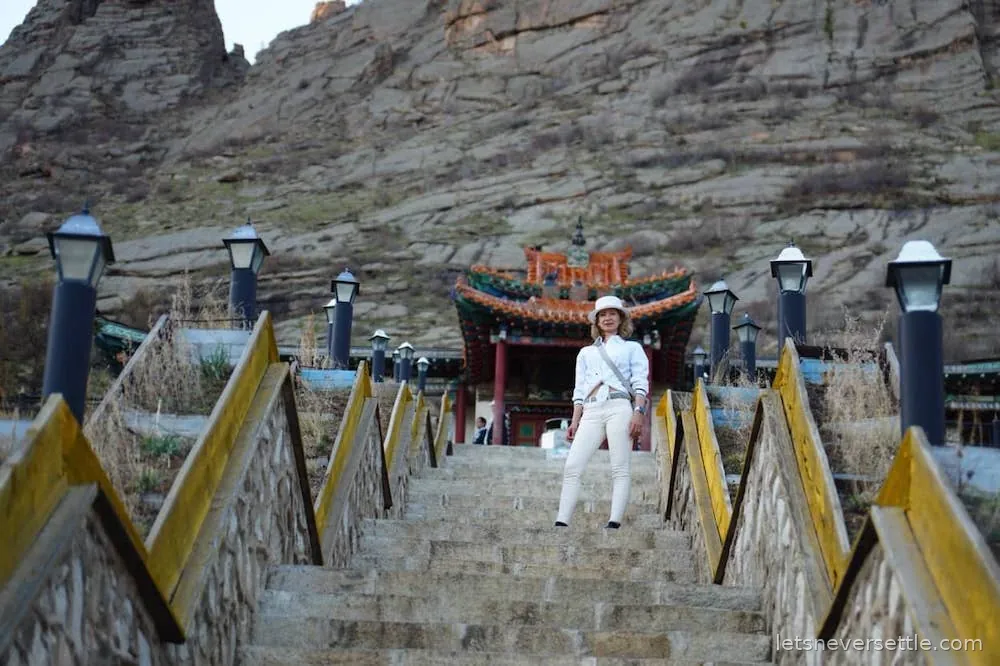
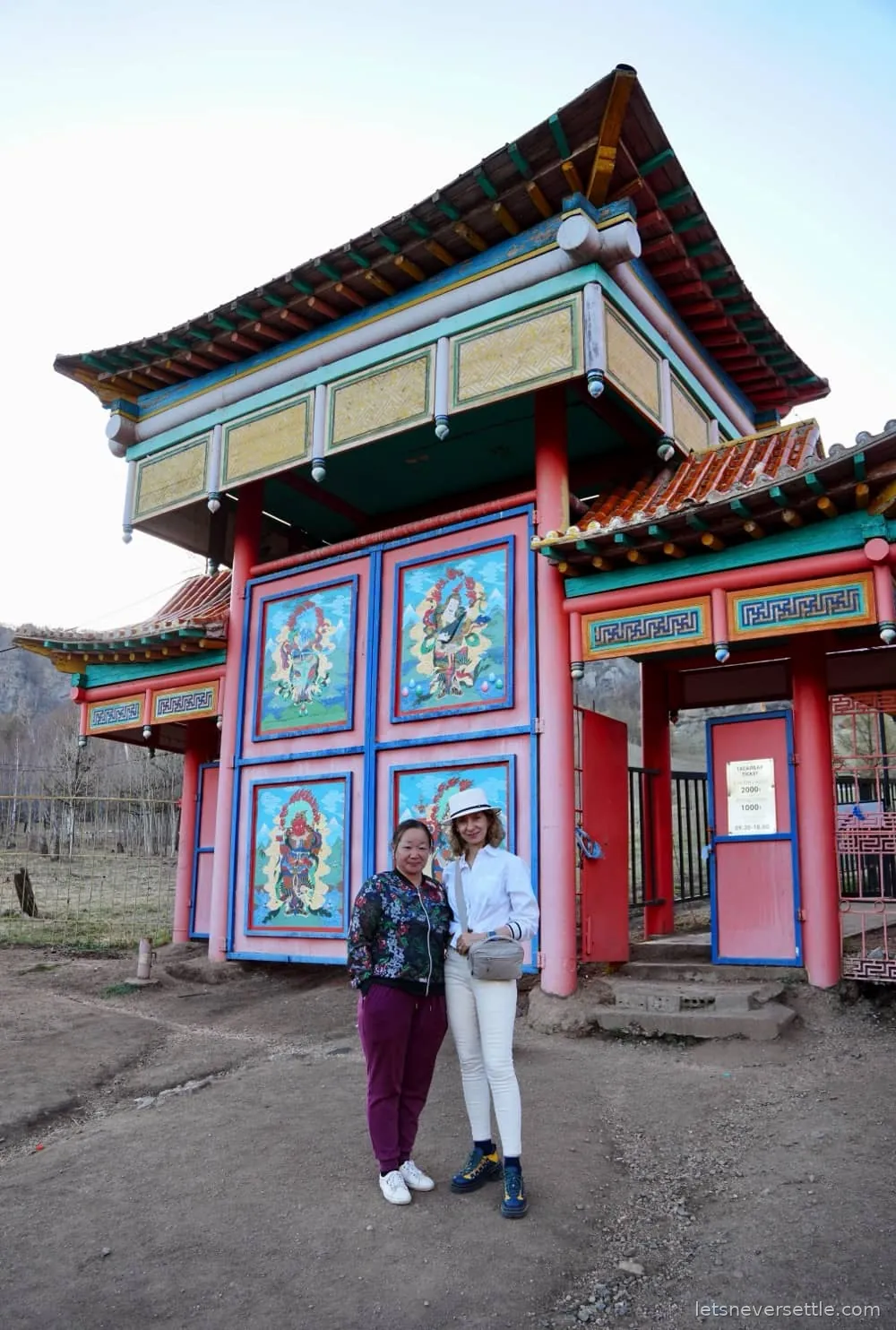
Then Gorkhi-Terelj National Park, Turtle Rock, and the Aryabal Meditation Temple, which you reach up a long flight of steps built into the hillside. Worth the climb.
What we got wrong
We came expecting to eat nuts for two days in a country we assumed had nothing for us, and instead were fed better, and with more care, than in most restaurants. Moogii and Odee cooked every meal from scratch, on a camping stove, in a field, for two strangers with an awkward diet, and never once made it feel like an inconvenience.
We are not on that diet any more. It does not change the point.
More of the country is in everywhere we have been in Mongolia, including Ulaanbaatar, Kharkhorin, Gorkhi-Terelj and the ger camp on the steppe.